CMS & Back-Office Workflow
Improving internal productivity, data flows, and consistency across editorial and operations tools
2023-2025Release Cycle: Monthly feature rollout (≥1 per month) | Major release every quarter
Overview
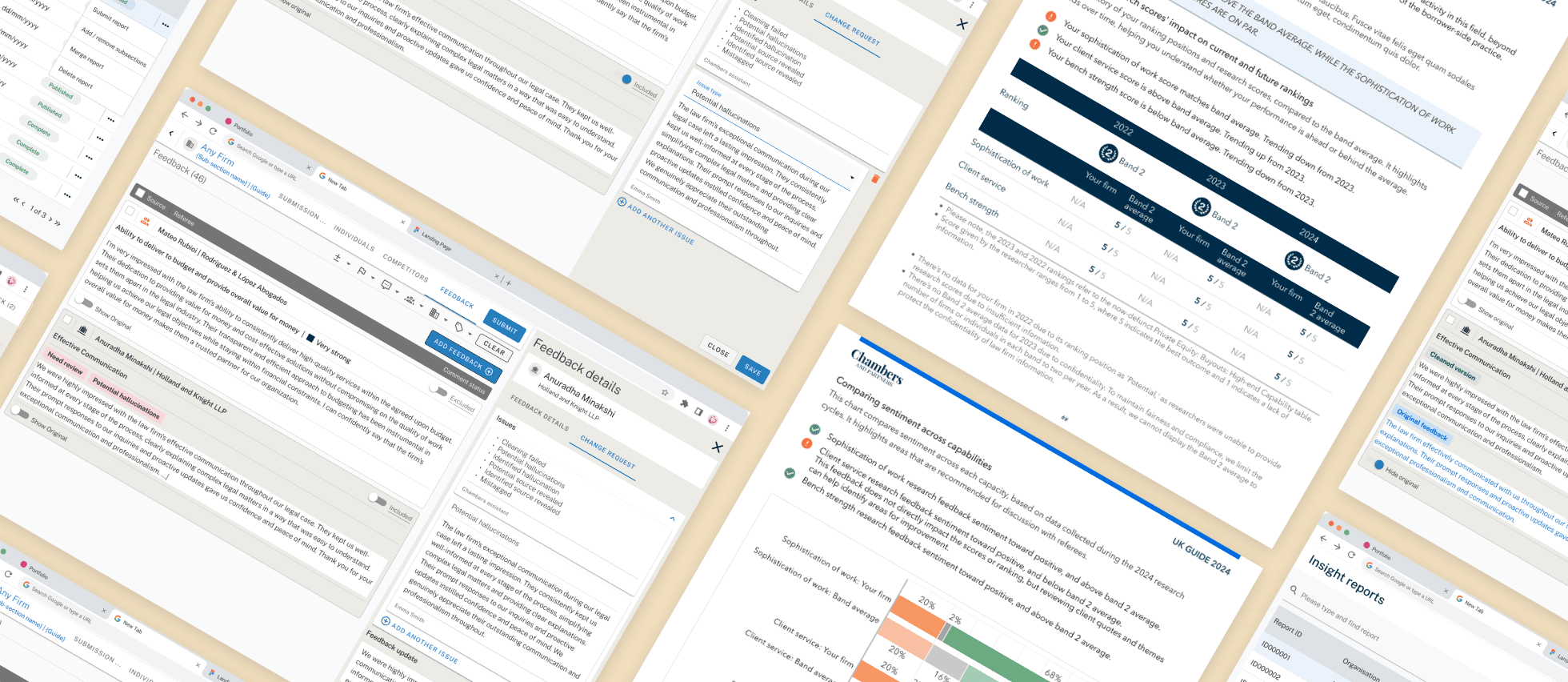
Internal editorial and operational tools were fragmented, causing manual workarounds, coordination friction and inconsistent interaction patterns. I redesigned the CMS and associated workflows to unify interaction patterns, streamline handoffs and clarify operational logic, enabling editors to focus on analysis and writing rather than technical challenges.
Overview
Internal editorial and operational tools were fragmented, causing manual workarounds, coordination friction and inconsistent interaction patterns. I redesigned the CMS and associated workflows to unify interaction patterns, streamline handoffs and clarify operational logic, enabling editors to focus on analysis and writing rather than technical challenges.
Role & What I Led
Lead Product Designer — Product & Service Design
Led in-depth research and workflow analysis with editorial and operations teams
Used service and ecosystem mapping to pinpoint systemic friction and automation opportunities
Defined and validated AI-assisted workflow improvements that preserved user trust
Guided concept ideation, prototyping, iteration and rollout in alignment with release cycles
Role & What I Led
Lead Product Designer — Product & Service Design
Led in-depth research and workflow analysis with editorial and operations teams
Used service and ecosystem mapping to pinpoint systemic friction and automation opportunities
Defined and validated AI-assisted workflow improvements that preserved user trust
Guided concept ideation, prototyping, iteration and rollout in alignment with release cycles
Discover
Problem & Opportunity
Editors spent significant time on:
Manual consolidation of fragmented data sources
Repetitive administrative tasks with limited analytical value
Navigating inconsistent workflow steps across different tools
While early AI features offered potential gains, they often lacked reliability or reduced user trust. The opportunity was to streamline work holistically, focusing on clarity, consistency and reduced cognitive load while preserving editorial autonomy and judgement.
Problem & Opportunity
Editors spent significant time on:
Manual consolidation of fragmented data sources
Repetitive administrative tasks with limited analytical value
Navigating inconsistent workflow steps across different tools
While early AI features offered potential gains, they often lacked reliability or reduced user trust. The opportunity was to streamline work holistically, focusing on clarity, consistency and reduced cognitive load while preserving editorial autonomy and judgement.
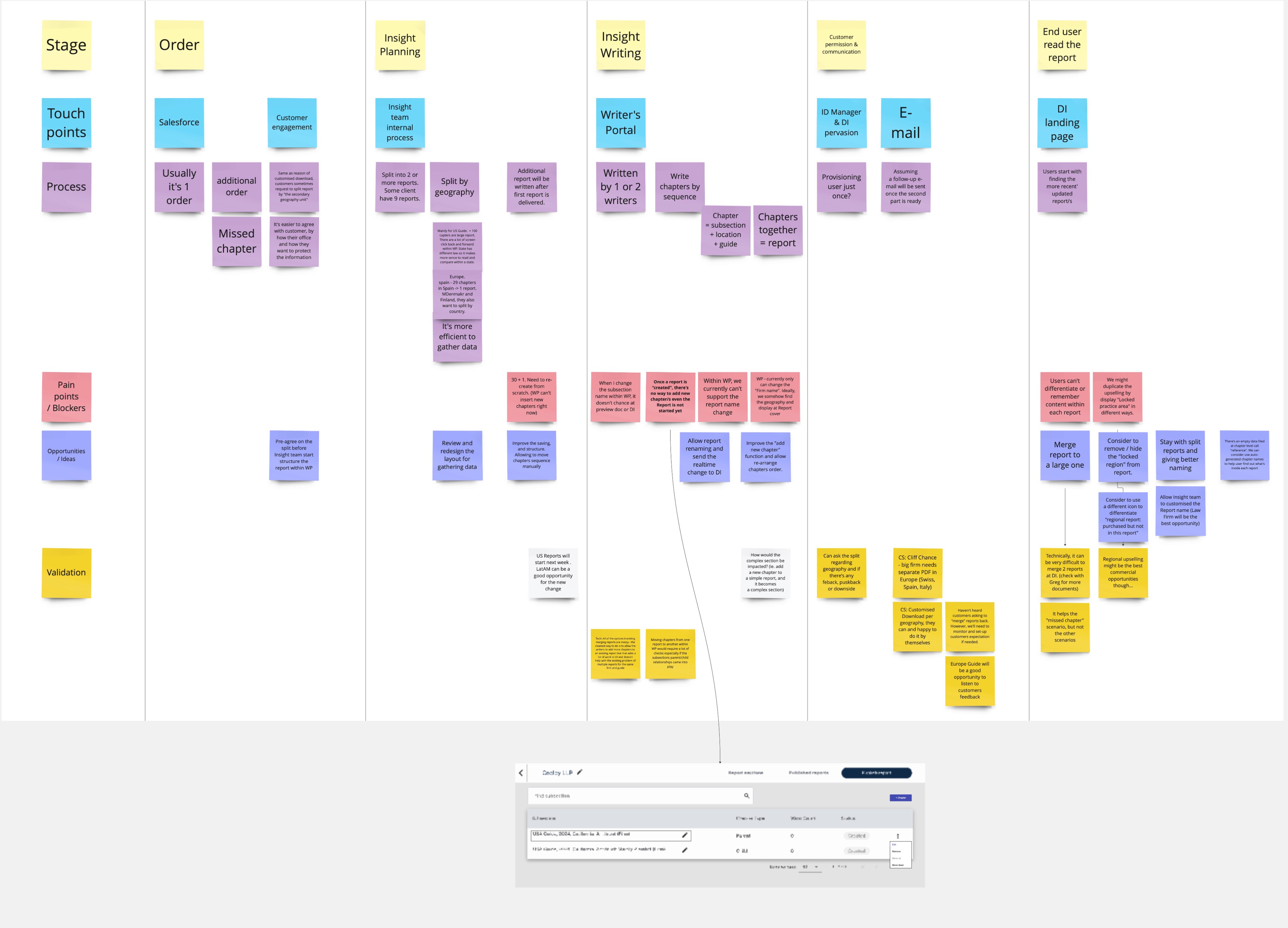
Service blueprint to identify AI opportunities
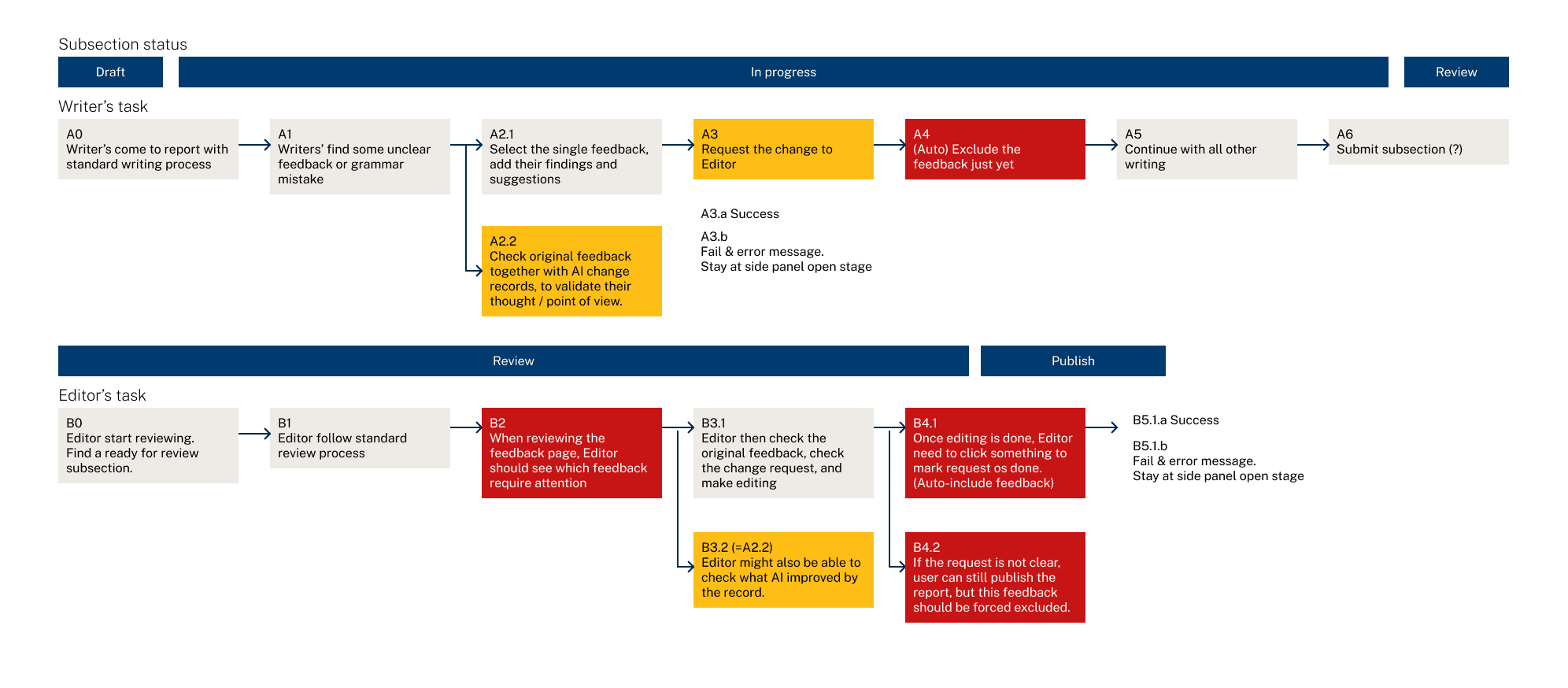
User flow suggesting operational changes
Research & Insights
Conducted interviews and observation sessions with editorial and operations teams
Built workflow maps and service blueprints to visualize breakdowns and handoffs
Analysed usage patterns and operational data to validate areas with the highest time/effort cost
Research & Insights
Conducted interviews and observation sessions with editorial and operations teams
Built workflow maps and service blueprints to visualize breakdowns and handoffs
Analysed usage patterns and operational data to validate areas with the highest time/effort cost
Key Insight
Efficiency gains come not from isolated automation but from aligning data, workflows, and tooling to how work actually happens.
Key Insight
Efficiency gains come not from isolated automation but from aligning data, workflows, and tooling to how work actually happens.
Design
Design Strategy & Trade-offs
Our strategy balanced efficiency with trust and flexibility:
AI-assisted support, not full automation, for repetitive tasks like quote cleaning and summarisation
Standardised flows to reduce errors while preserving writer autonomy
Deliver quick gains while establishing modular patterns for future improvements
These trade-offs focused investment on areas with the greatest long-term value.
Design Strategy & Trade-offs
Our strategy balanced efficiency with trust and flexibility:
AI-assisted support, not full automation, for repetitive tasks like quote cleaning and summarisation
Standardised flows to reduce errors while preserving writer autonomy
Deliver quick gains while establishing modular patterns for future improvements
These trade-offs focused investment on areas with the greatest long-term value.
Figma file example: Feature enhancements that grow alongside product enhancements
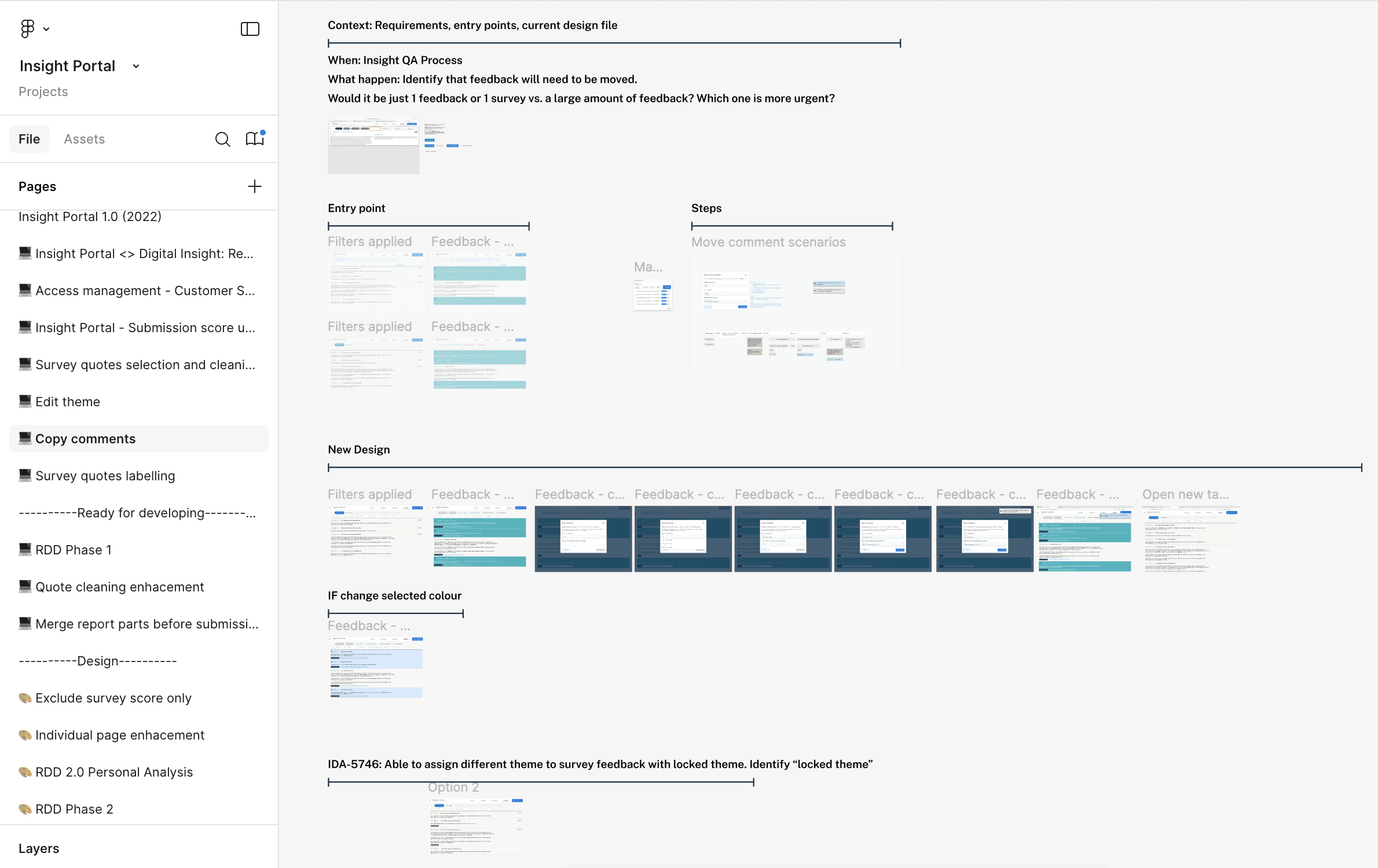
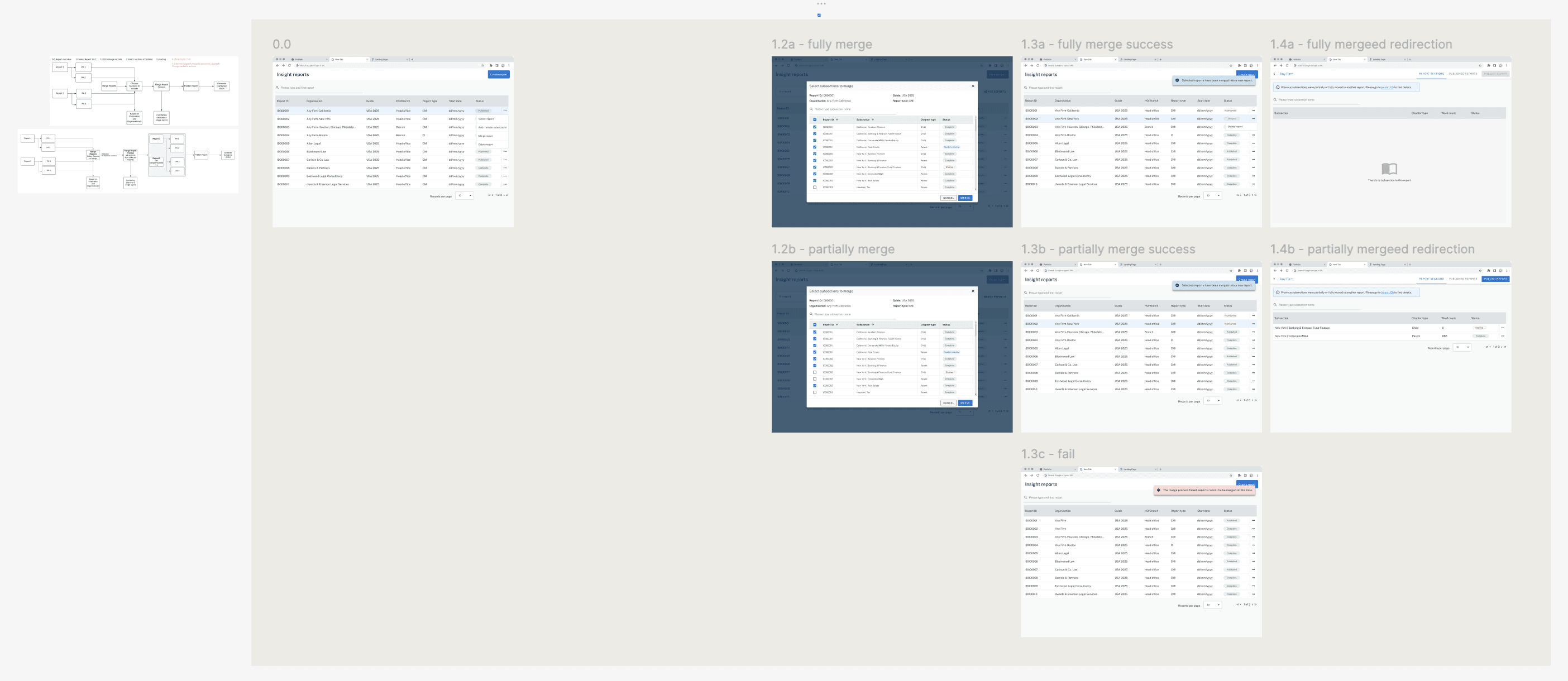
Prototype & interaction design: Merge report function
Old UI design vs New UI design
Ranking explain and improvement tips
Quote editing process
Deliver
Solutions
AI-augmented assistance for routine tasks (cleaning, rewriting) with always-editable suggestions
Revised CMS workflows reflecting real editor needs and reducing friction
Stronger design standards to ensure consistency and reduce cognitive load
Incremental rollout aligned with monthly and quarterly release cycles
Solutions
AI-augmented assistance for routine tasks (cleaning, rewriting) with always-editable suggestions
Revised CMS workflows reflecting real editor needs and reducing friction
Stronger design standards to ensure consistency and reduce cognitive load
Incremental rollout aligned with monthly and quarterly release cycles
Prototype example: AI assistant for comment cleaning
Outcomes & Impact
Increased operational efficiency, reducing time spent on routine report tasks
Writers devoted more time to high-value analysis rather than mechanical work
Internal consistency improved, lowering coordination friction
Trust in tooling increased as automation enhanced rather than replaced human judgement
Outcomes & Impact
Increased operational efficiency, reducing time spent on routine report tasks
Writers devoted more time to high-value analysis rather than mechanical work
Internal consistency improved, lowering coordination friction
Trust in tooling increased as automation enhanced rather than replaced human judgement