Client & Market Intelligent Insight
Transforming legacy research products through strategic design and data-driven experience improvements
2023-2025
Overview
Clients struggled to interpret fragmented market and customer intelligence across platforms, which made it difficult for them to act with confidence. Although a large volume of data existed, insights were often unclear, disconnected and hard to trust. This limited product adoption, constrained decision-making and reinforced reliance on legacy analytical tools.
The objective was to transform research outputs into clear, actionable intelligence that enabled confident decision-making and supported a strategic shift toward analytics-driven services.
Overview
Clients struggled to interpret fragmented market and customer intelligence across platforms, which made it difficult for them to act with confidence. Although a large volume of data existed, insights were often unclear, disconnected and hard to trust. This limited product adoption, constrained decision-making and reinforced reliance on legacy analytical tools.
The objective was to transform research outputs into clear, actionable intelligence that enabled confident decision-making and supported a strategic shift toward analytics-driven services.
My Role
Lead Product Designer for data product family
I led the end-to-end design strategy in partnership with product, data and commercial teams.
My role encompassed research strategy, service design, concept development and validation, with a particular focus on aligning user needs, business priorities and long-term growth.
My Role
Lead Product Designer for data product family
I led the end-to-end design strategy in partnership with product, data and commercial teams.
My role encompassed research strategy, service design, concept development and validation, with a particular focus on aligning user needs, business priorities and long-term growth.
Overview
Designing to unlock business opportunities in research data
I led the end-to-end design strategy in partnership with product, data and commercial teams.
My role encompassed research strategy, service design, concept development and validation, with a particular focus on aligning user needs, business priorities and long-term growth.
What I Led
Defined and led a multi-method research approach across surveys, CSAT data, customer feedback, and repeated user interviews.
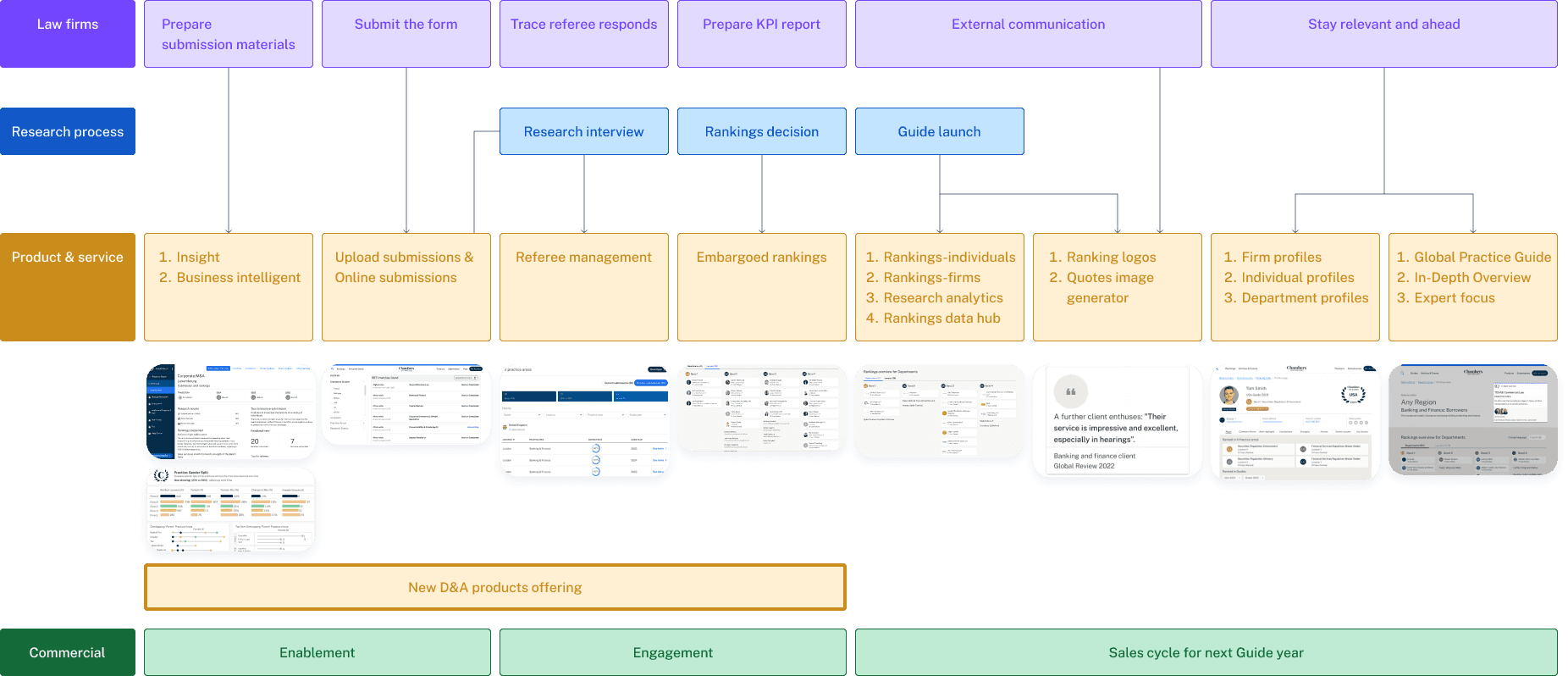
Mapped industry-standard platforms and internal software, as well as service blueprints, to identify systemic gaps and opportunities.
Shaped and validated product concepts aligned with strategic and growth priorities.
What I Led
Defined and led a multi-method research approach across surveys, CSAT data, customer feedback, and repeated user interviews.
Mapped industry-standard platforms and internal software, as well as service blueprints, to identify systemic gaps and opportunities.
Shaped and validated product concepts aligned with strategic and growth priorities.
Overview
Designing to unlock business opportunities in research data
Defined and led a multi-method research approach across surveys, CSAT data, customer feedback, and repeated user interviews.
Mapped industry-standard platforms and internal software, as well as service blueprints, to identify systemic gaps and opportunities.
Shaped and validated product concepts aligned with strategic and growth priorities.
Discover
Problem Framing
The Core Problem
The core challenge was not the absence of data, but the lack of clarity, consistency and trust in how intelligence was presented and used. Users struggled to connect insights across touchpoints, to interpret what mattered, and to act with confidence. This fragmented experience limited product adoption and reinforced dependence on older, less efficient tools.
Problem Framing
The Core Problem
The core challenge was not the absence of data, but the lack of clarity, consistency and trust in how intelligence was presented and used. Users struggled to connect insights across touchpoints, to interpret what mattered, and to act with confidence. This fragmented experience limited product adoption and reinforced dependence on older, less efficient tools.
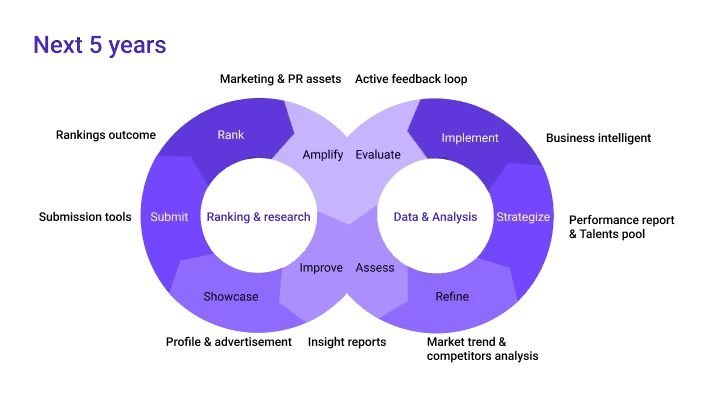
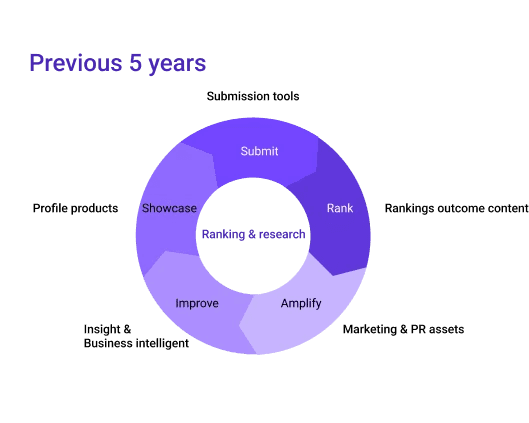
Experience blueprint connecting frontstage insights interfaces with backstage analytics and workflows.
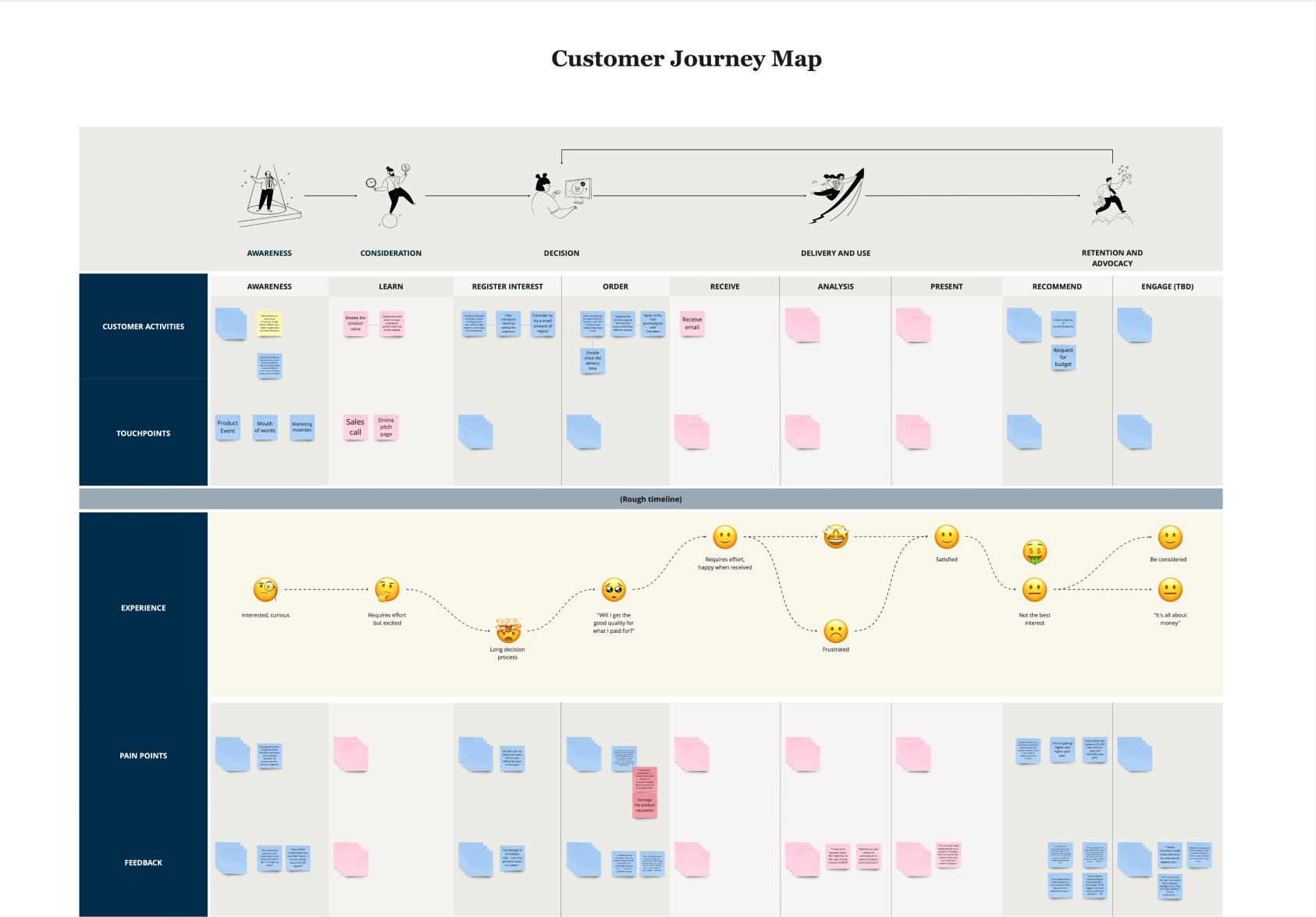
Redefine product value using the business model canvas
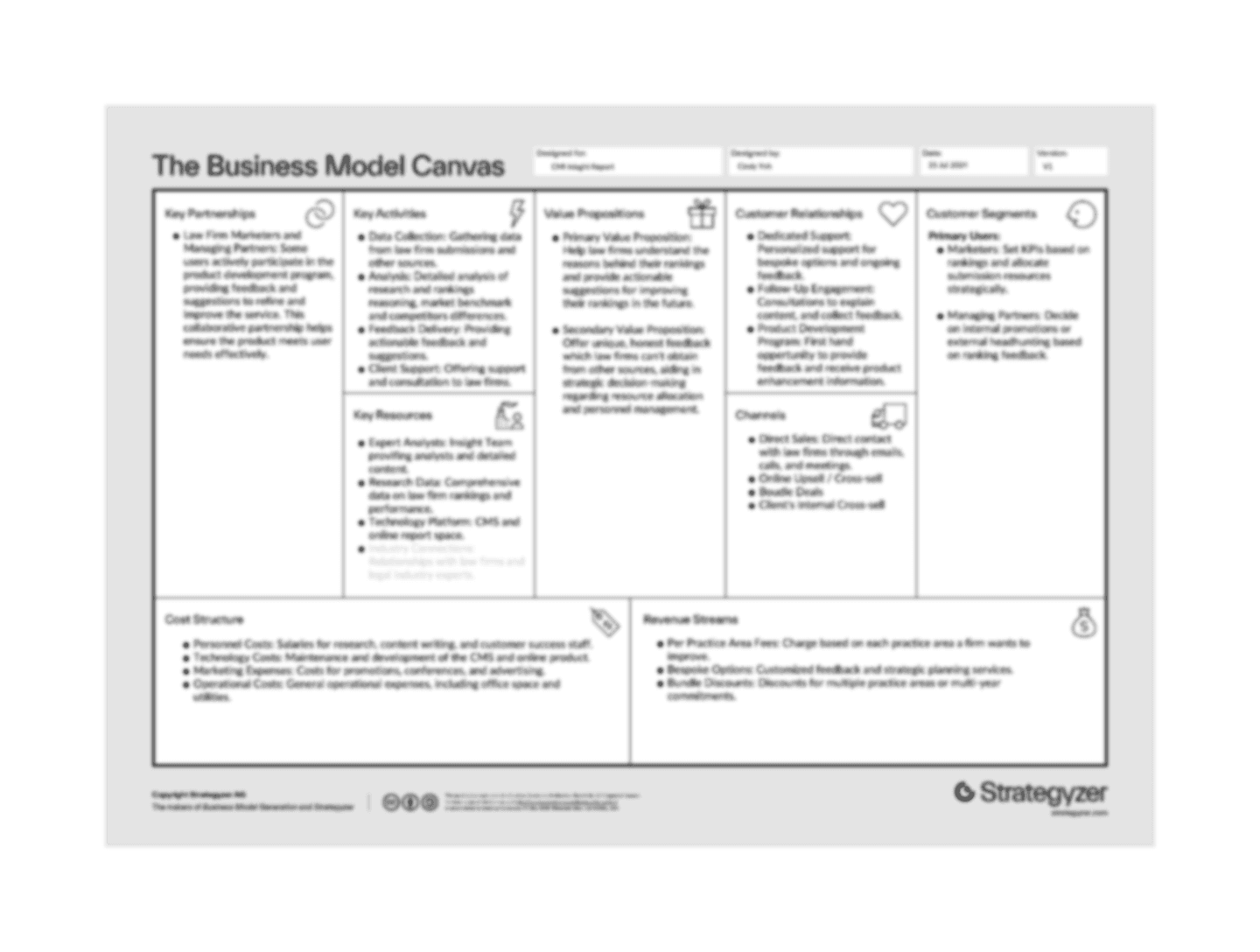
Research & Insights
Research Approach
To generate robust, high-confidence insights, I combined quantitative signals (including surveys, CSAT and customer feedback) with qualitative depth gained through multiple rounds of user interviews across project phases.
Rather than treating research as a one-off task, I continuously validated and refined insights as new data emerged. I employed ecosystem mapping to understand the broader client, market and internal context, and service blueprinting to identify systemic gaps and breakdowns across touchpoints.
Research & Insights
Research Approach
To generate robust, high-confidence insights, I combined quantitative signals (including surveys, CSAT and customer feedback) with qualitative depth gained through multiple rounds of user interviews across project phases.
Rather than treating research as a one-off task, I continuously validated and refined insights as new data emerged. I employed ecosystem mapping to understand the broader client, market and internal context, and service blueprinting to identify systemic gaps and breakdowns across touchpoints.
Key Insight
The most significant barriers were systemic rather than feature-specific. Users needed clearer, better connected intelligence to support informed decision-making.
Key Insight
The most significant barriers were systemic rather than feature-specific. Users needed clearer, better connected intelligence to support informed decision-making.
Visual summary of target KPIs including engagement, retention, and rollout milestones.
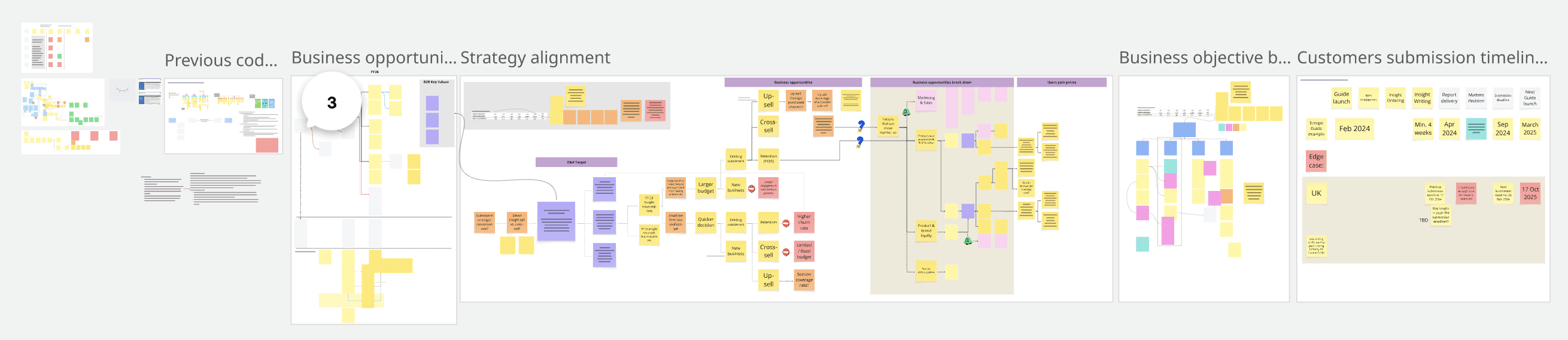
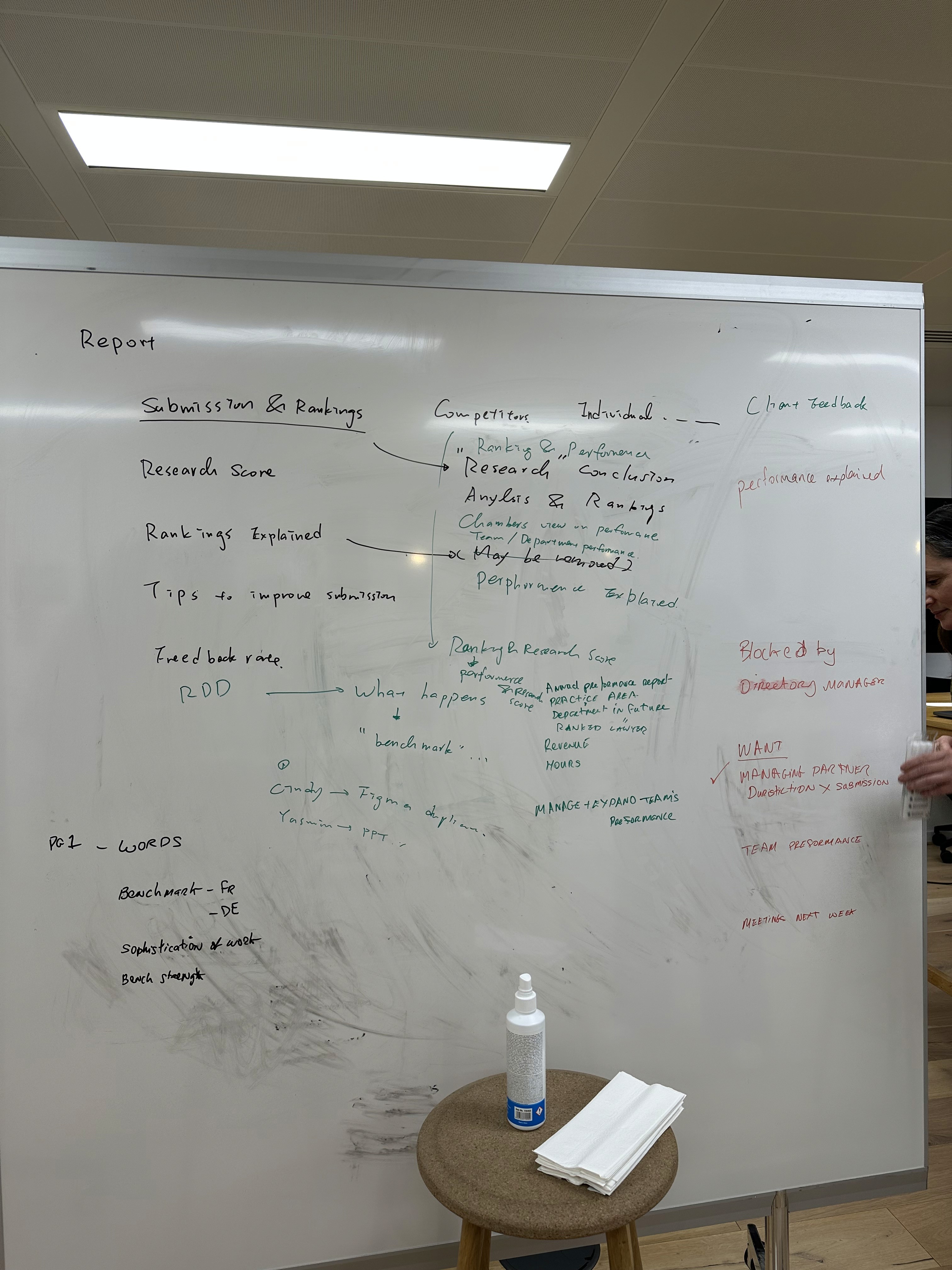
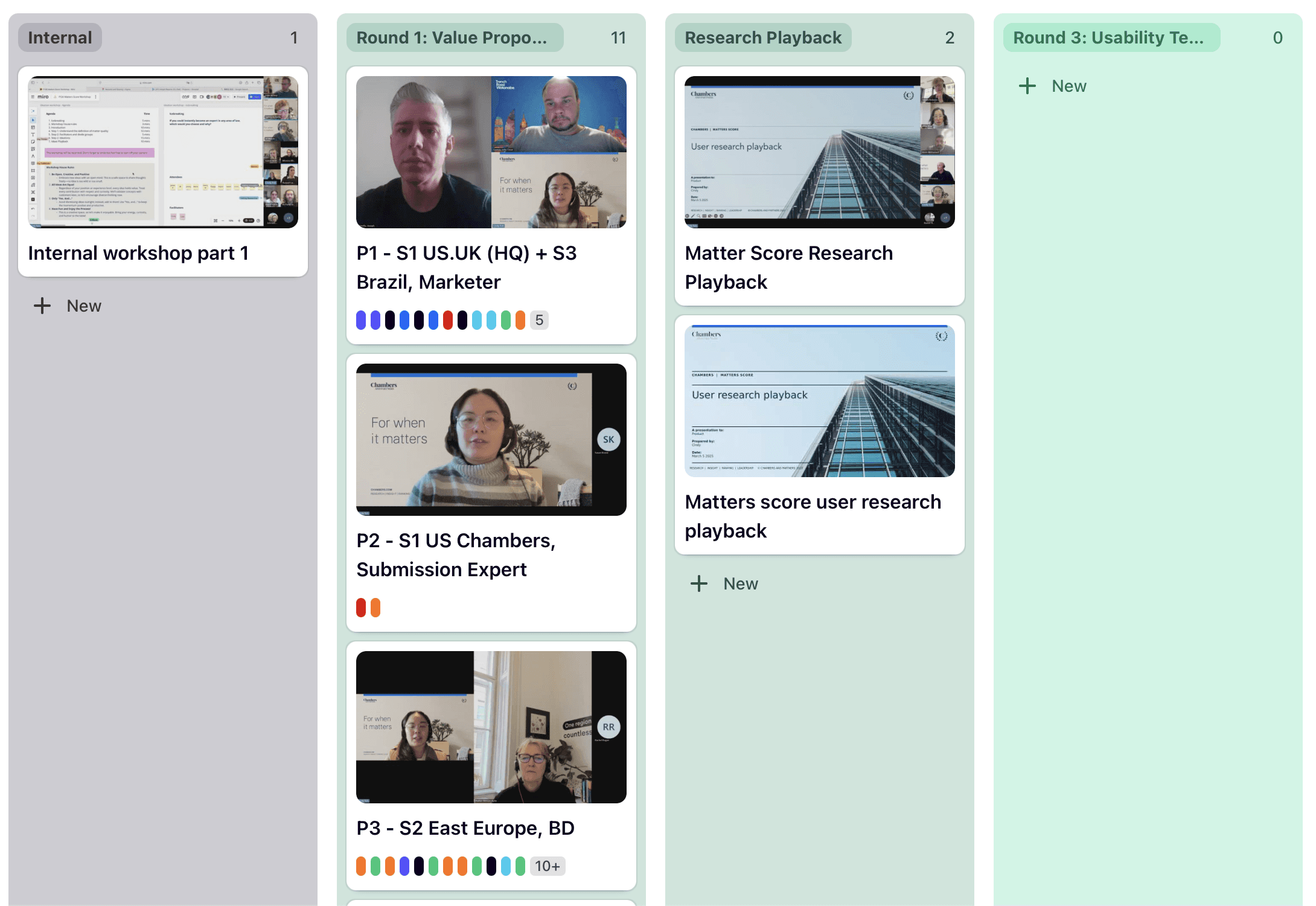
Concept ideations & user interview
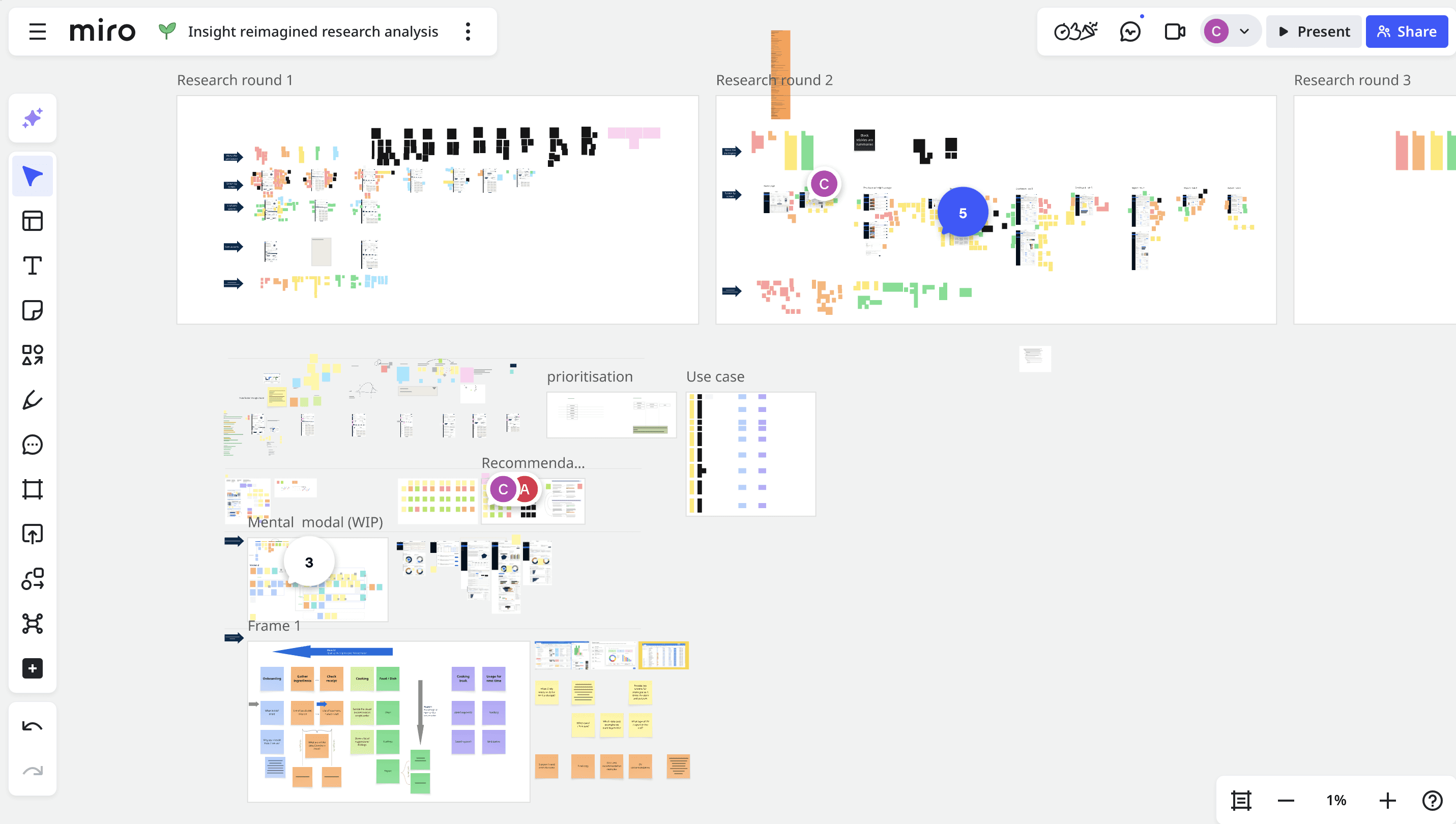
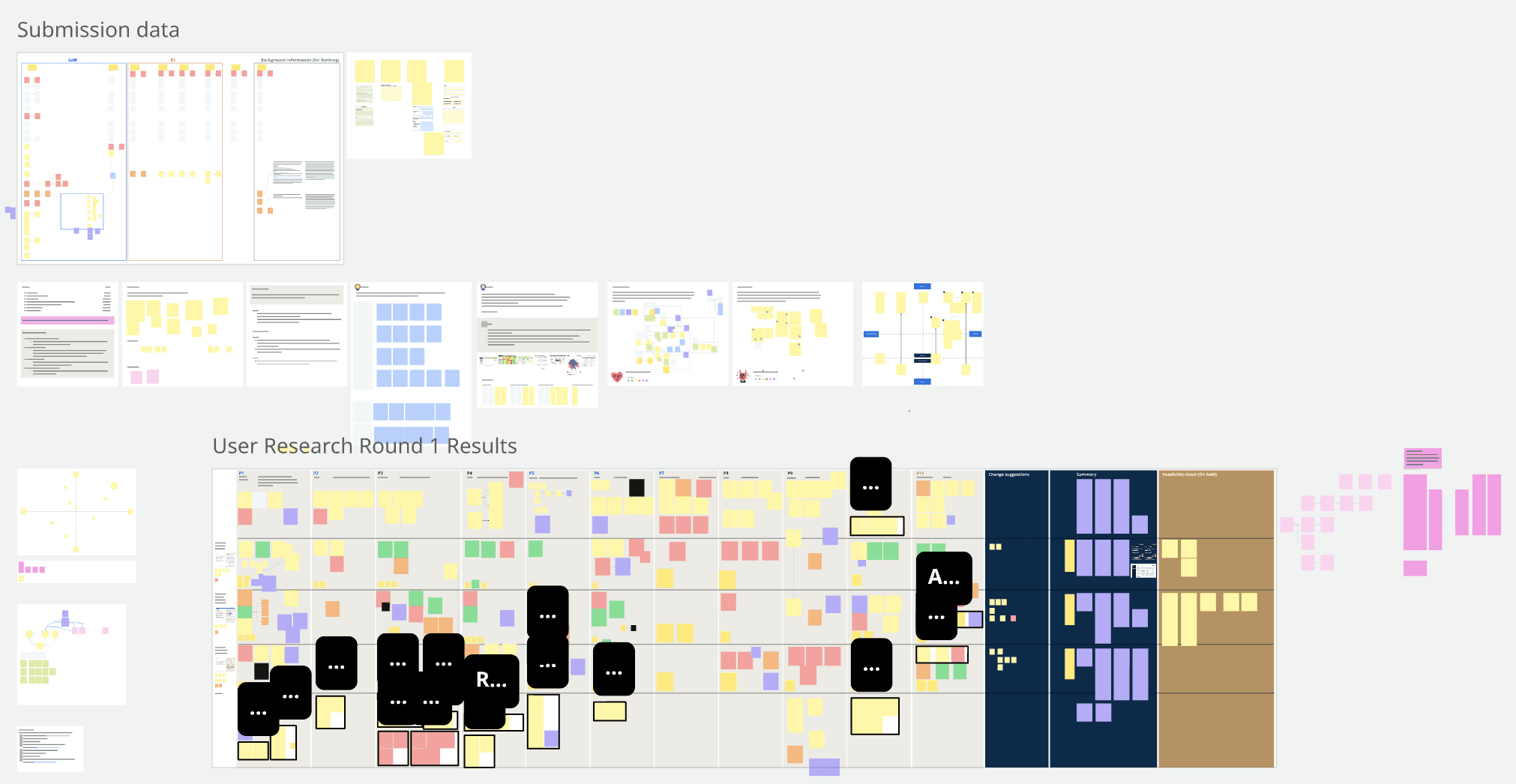
Research analysis
Define
Exploration, Iteration & Trade-offs
Early exploration revealed multiple possible directions. To avoid premature commitment, I validated assumptions through low-fidelity concepts and prototypes, using them to narrow user usage patterns and evaluate product value. This process clarified the most critical pain points, the most frequently needed solutions, and the opportunities with the greatest potential market fit.
Exploration, Iteration & Trade-offs
Early exploration revealed multiple possible directions. To avoid premature commitment, I validated assumptions through low-fidelity concepts and prototypes, using them to narrow user usage patterns and evaluate product value. This process clarified the most critical pain points, the most frequently needed solutions, and the opportunities with the greatest potential market fit.
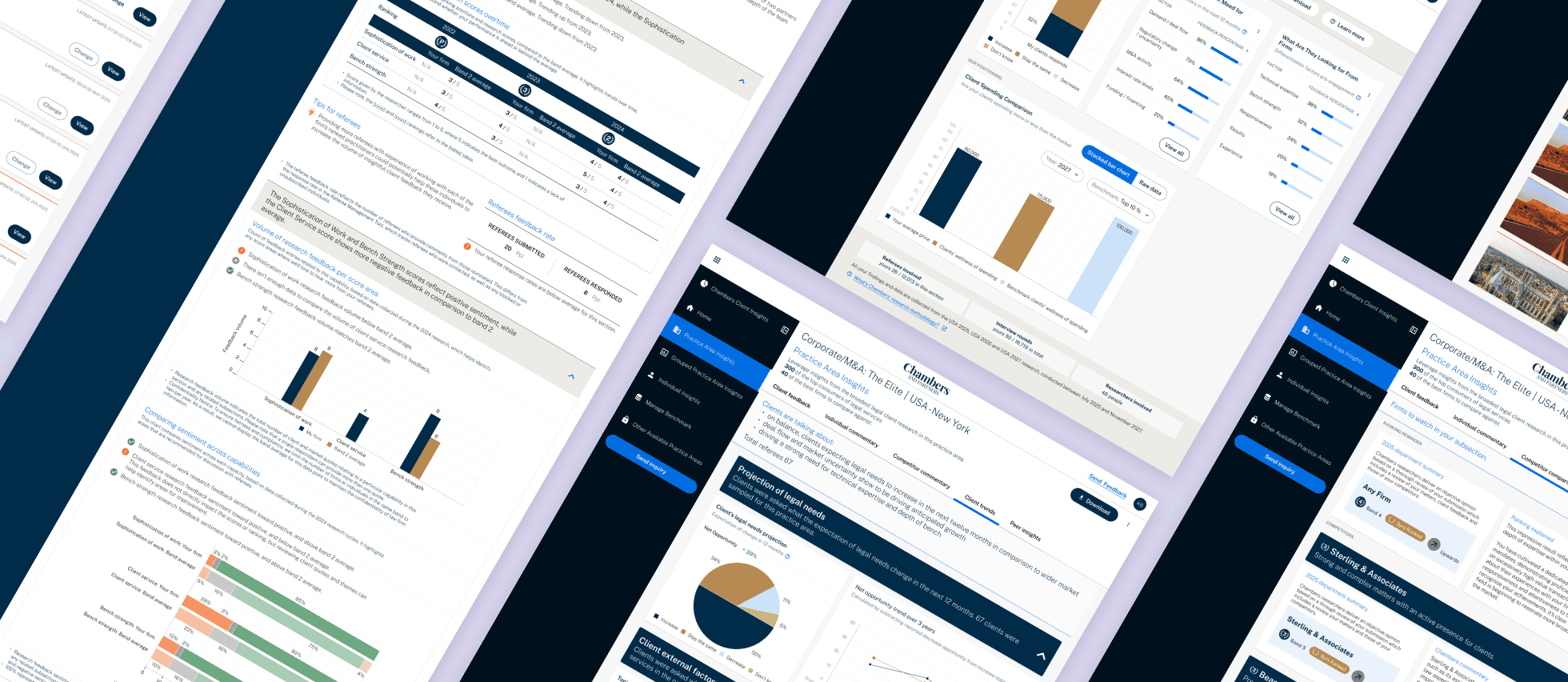
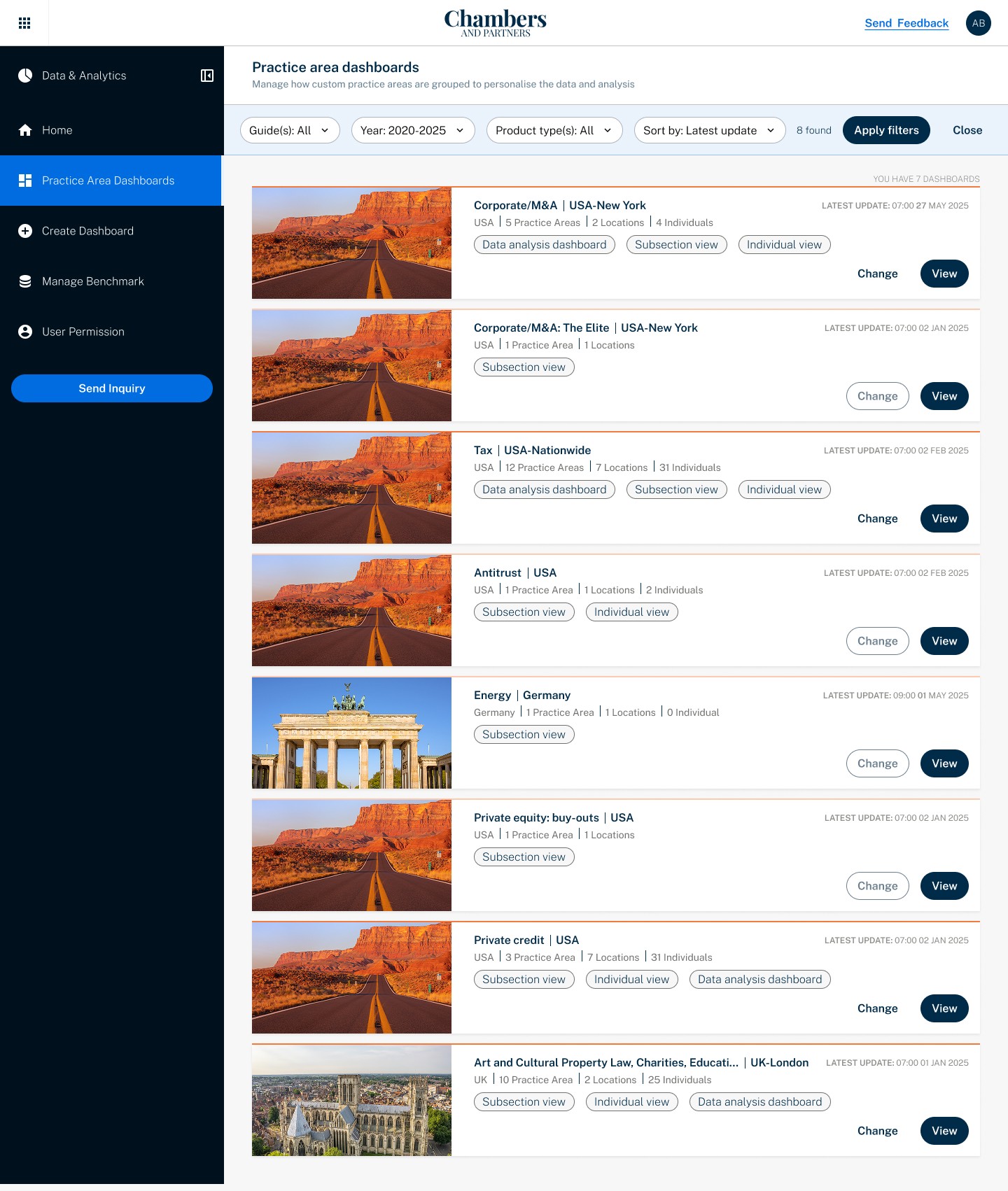
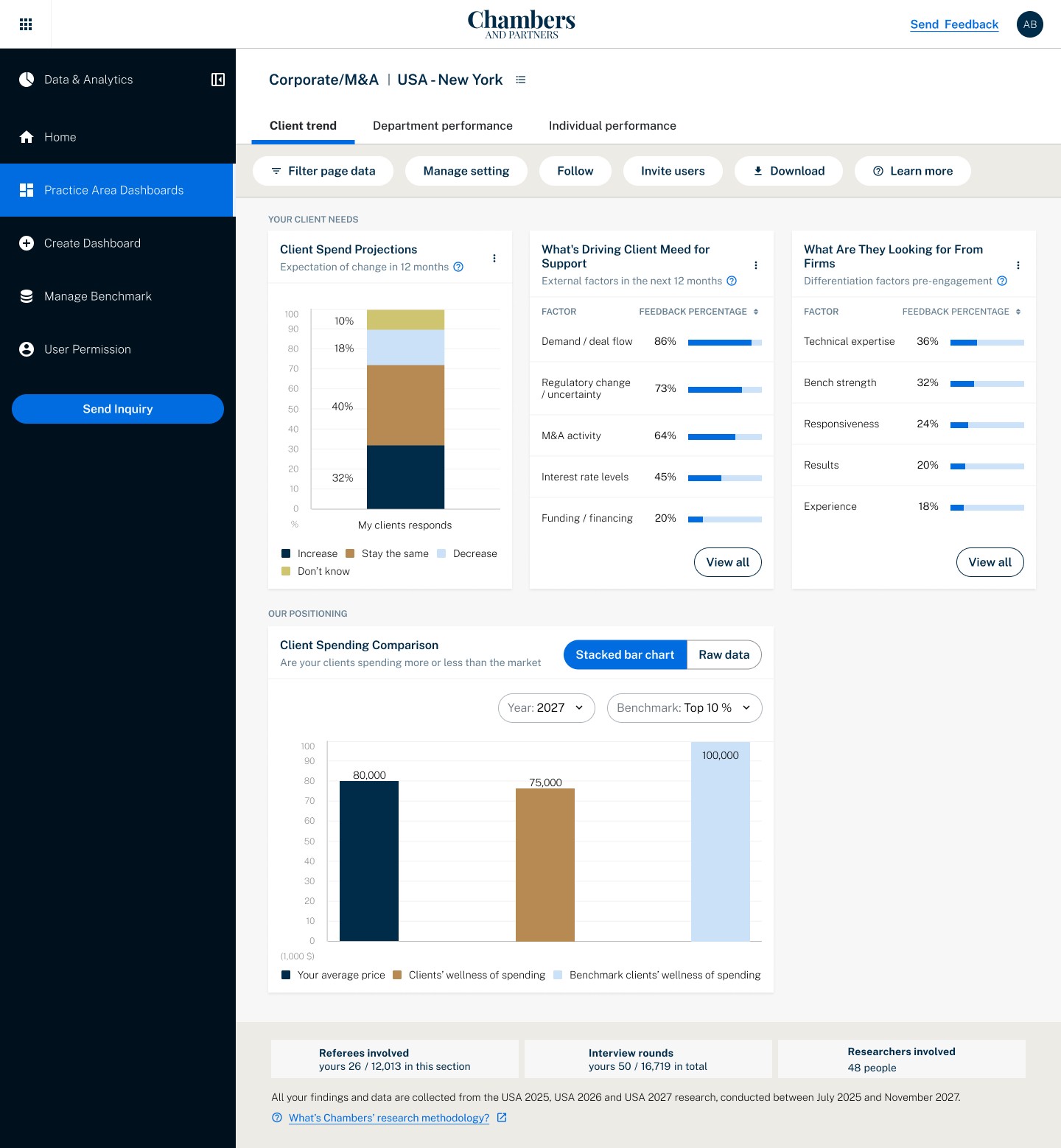
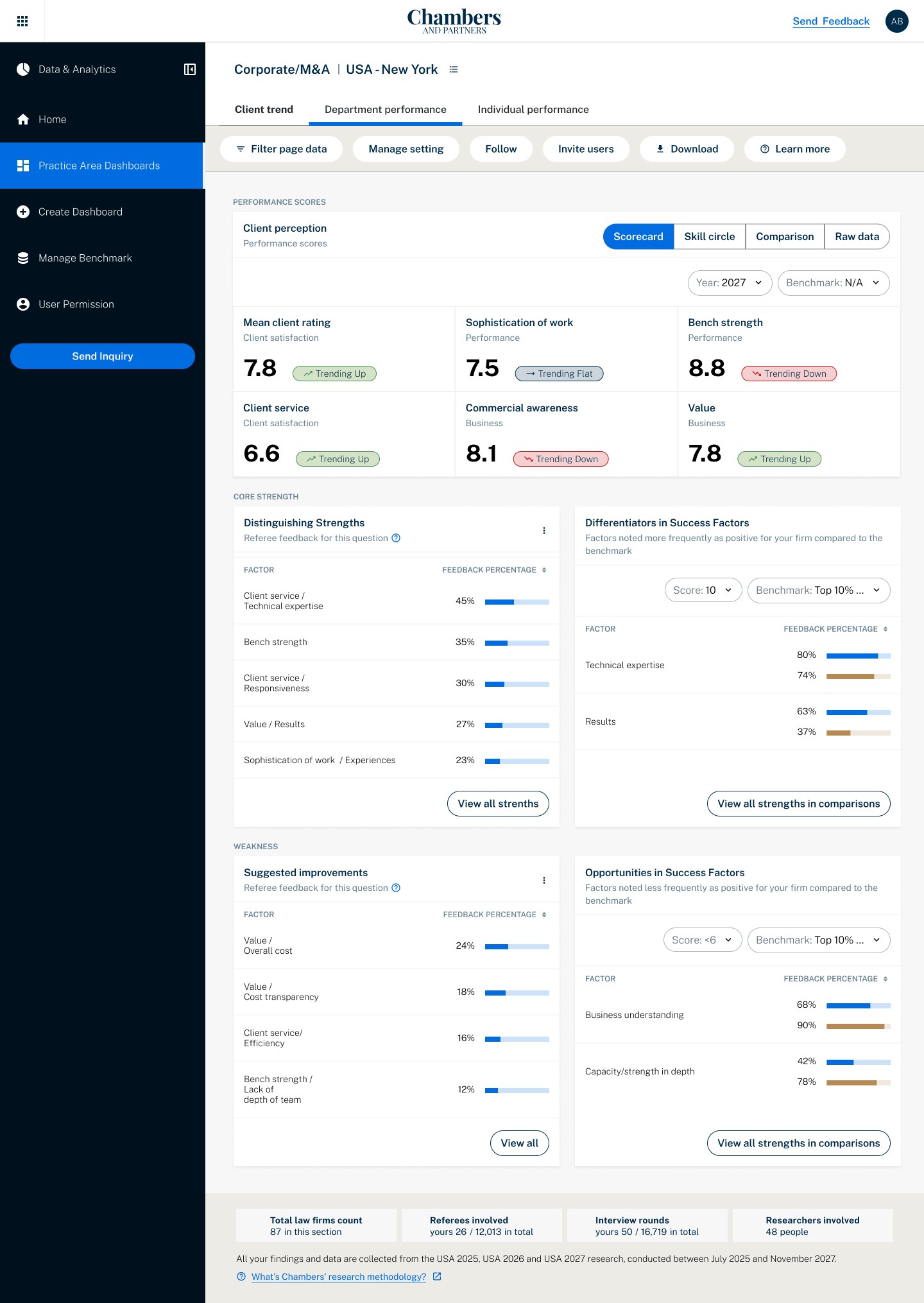
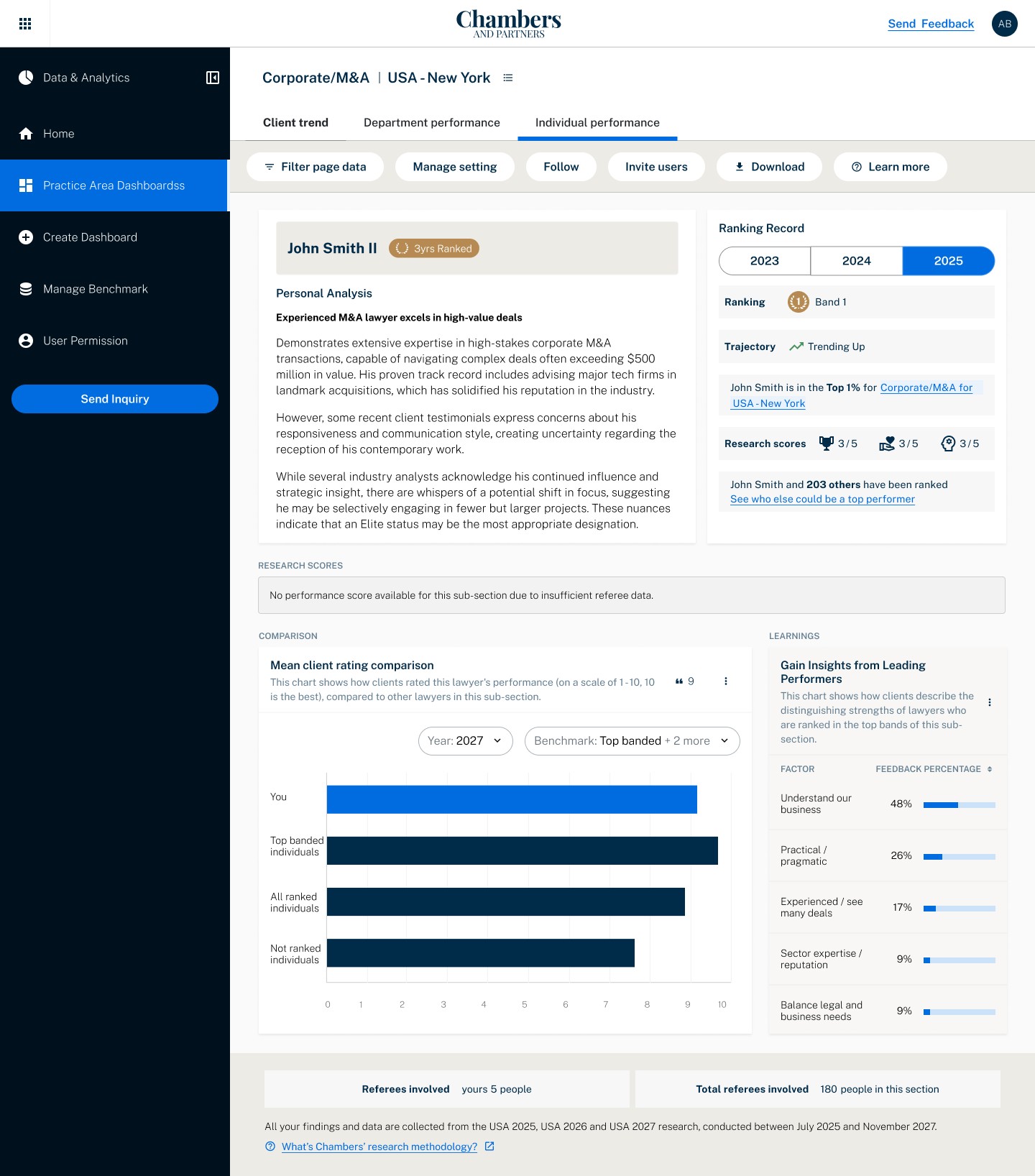
Interaction pattern examples designed to improve clarity and interpretability of intelligence insights.
Key Trade-offs
Clarity vs. depth — simplifying complex intelligence without losing meaning
Flexibility vs. consistency — balancing customisation with system coherence
Speed vs. certainty — validating direction early while allowing insights to mature
Key Trade-offs
Clarity vs. depth — simplifying complex intelligence without losing meaning
Flexibility vs. consistency — balancing customisation with system coherence
Speed vs. certainty — validating direction early while allowing insights to mature
What we learned:
Users trusted the underlying data but struggled to interpret how it should influence decisions
Fragmented workflows created repeated manual reconciliation across teams
Inconsistent data inputs reduced confidence in outputs
What we learned:
Users trusted the underlying data but struggled to interpret how it should influence decisions
Fragmented workflows created repeated manual reconciliation across teams
Inconsistent data inputs reduced confidence in outputs
Design
Decision-Making Criteria
Design decisions were guided by three criteria:
Confidence for users — does this help clients make better decisions?
System coherence — does this connect meaningfully across touchpoints?
Strategic fit — does this align with product and growth direction?
Decision-Making Criteria
Design decisions were guided by three criteria:
Confidence for users — does this help clients make better decisions?
System coherence — does this connect meaningfully across touchpoints?
Strategic fit — does this align with product and growth direction?
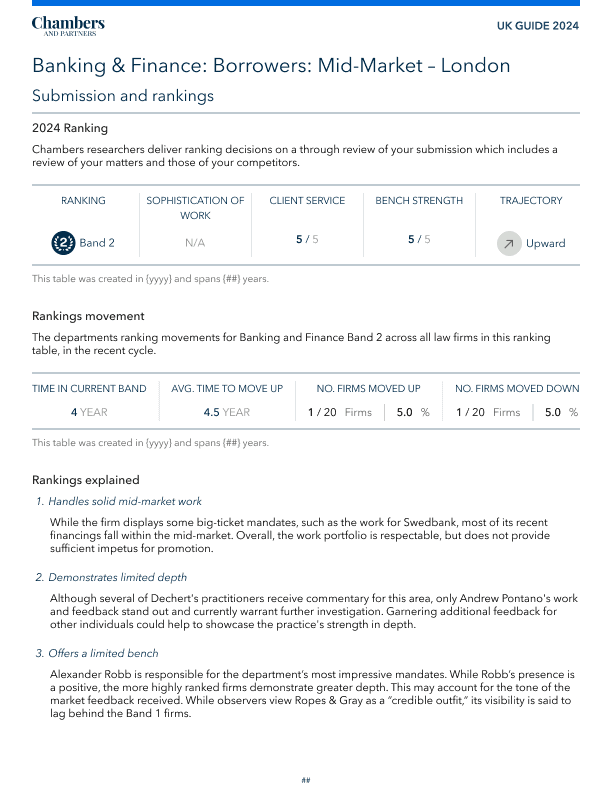
Ranking explain version 1 vs version 2
Report vs. Data Platform
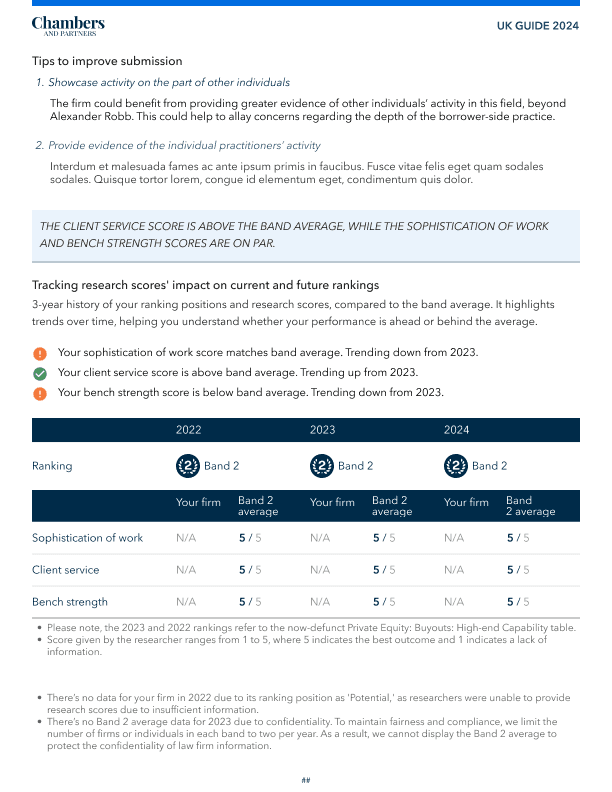
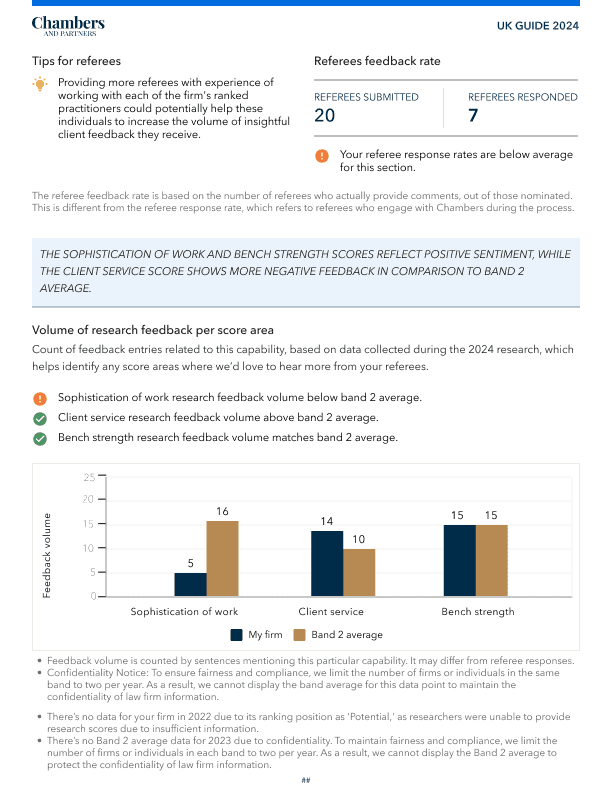
Change from qualitative information (quotes) to
quantitative data analysis (tables, calculations, and comparisons)
Change from qualitative information (quotes) to quantitative data analysis (tables, calculations, and comparisons)
Deliver
Outcomes & Impact
Increased confidence and clarity in research insights, reducing ambiguity and supporting more effective decision-making
Delivered design prototypes one quarter ahead of development for 90 % of new features, with structured data available for 95 % of customer firms across three regions
Enabled transition from legacy products to analytics-driven services, supporting a phased rollout to 15 % of existing clients
Demonstrated market fit within a change-resistant industry, achieving 80 % first-week engagement and a 10 % uplift in retention compared with the legacy experience
Outcomes & Impact
Increased confidence and clarity in research insights, reducing ambiguity and supporting more effective decision-making
Delivered design prototypes one quarter ahead of development for 90 % of new features, with structured data available for 95 % of customer firms across three regions
Enabled transition from legacy products to analytics-driven services, supporting a phased rollout to 15 % of existing clients
Demonstrated market fit within a change-resistant industry, achieving 80 % first-week engagement and a 10 % uplift in retention compared with the legacy experience
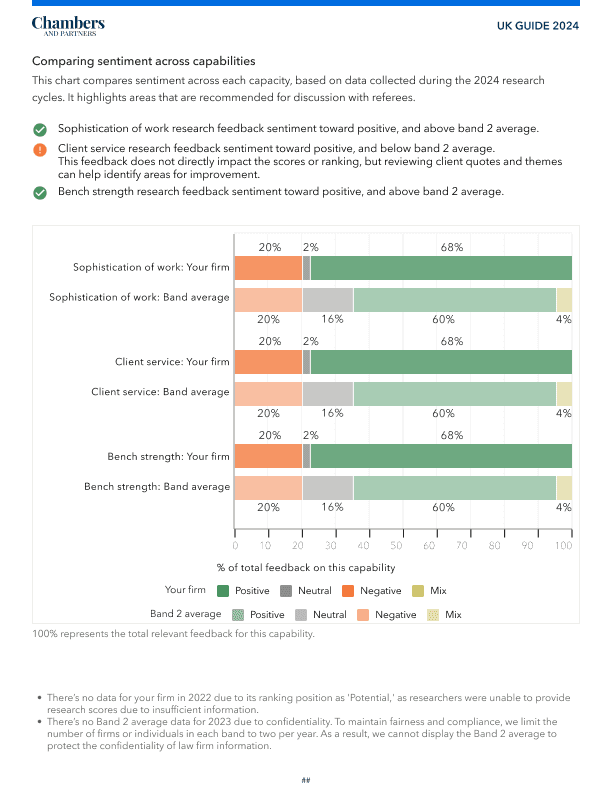
Customer-facing report (PDF version)