Paid Article CMS & Publishing Workflow
Create a tailored portal that streamlines the full workflow — from sales and administration to article editing and publishing.
2024 Chambers and Partners | Product & service design | Project Duration: 3 Months
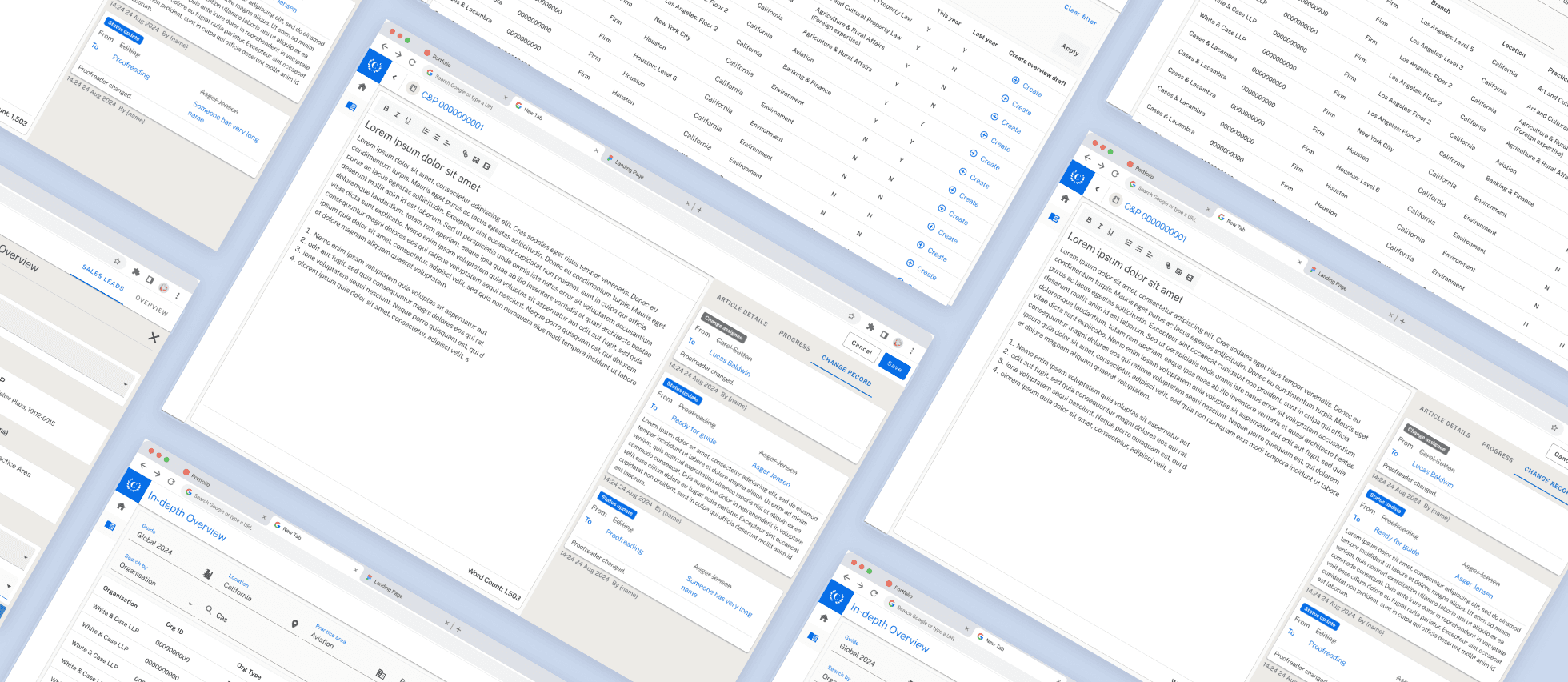
Overview
A tailored editorial portal to streamline the paid article lifecycle, connecting sales, admin, and editorial teams into predictable, efficient workflows. This project improved handoffs, reduced ambiguity, and enabled faster delivery of paid content.
Overview
A tailored editorial portal to streamline the paid article lifecycle, connecting sales, admin, and editorial teams into predictable, efficient workflows. This project improved handoffs, reduced ambiguity, and enabled faster delivery of paid content.
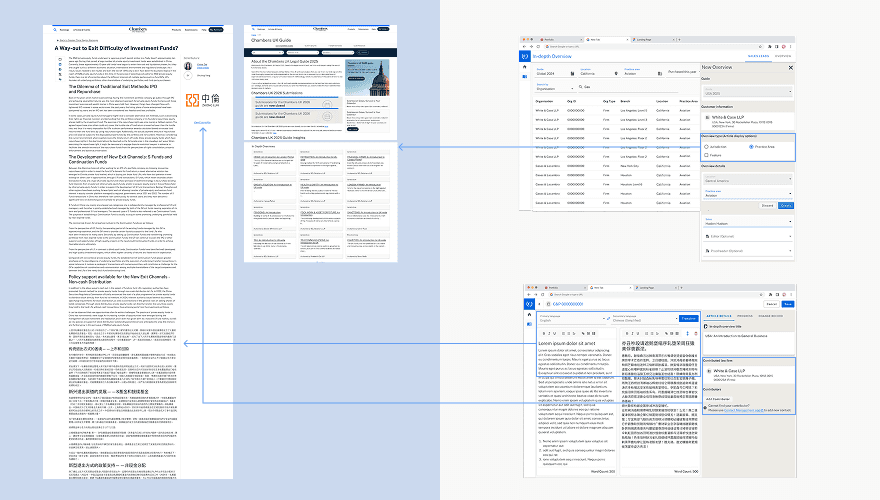
Front-office <> Back-office
Discover
Problem
The paid content process involved multiple groups — sales, administration, editorial — each with different roles, tools, and expectations. Inefficient handoffs and unclear status tracking slowed delivery and increased errors.
Problem
The paid content process involved multiple groups — sales, administration, editorial — each with different roles, tools, and expectations. Inefficient handoffs and unclear status tracking slowed delivery and increased errors.
Key issues identified:
Fragmented workflows across roles
Lack of visibility into article status and responsibilities
Manual coordination and redundant steps
Key issues identified:
Fragmented workflows across roles
Lack of visibility into article status and responsibilities
Manual coordination and redundant steps
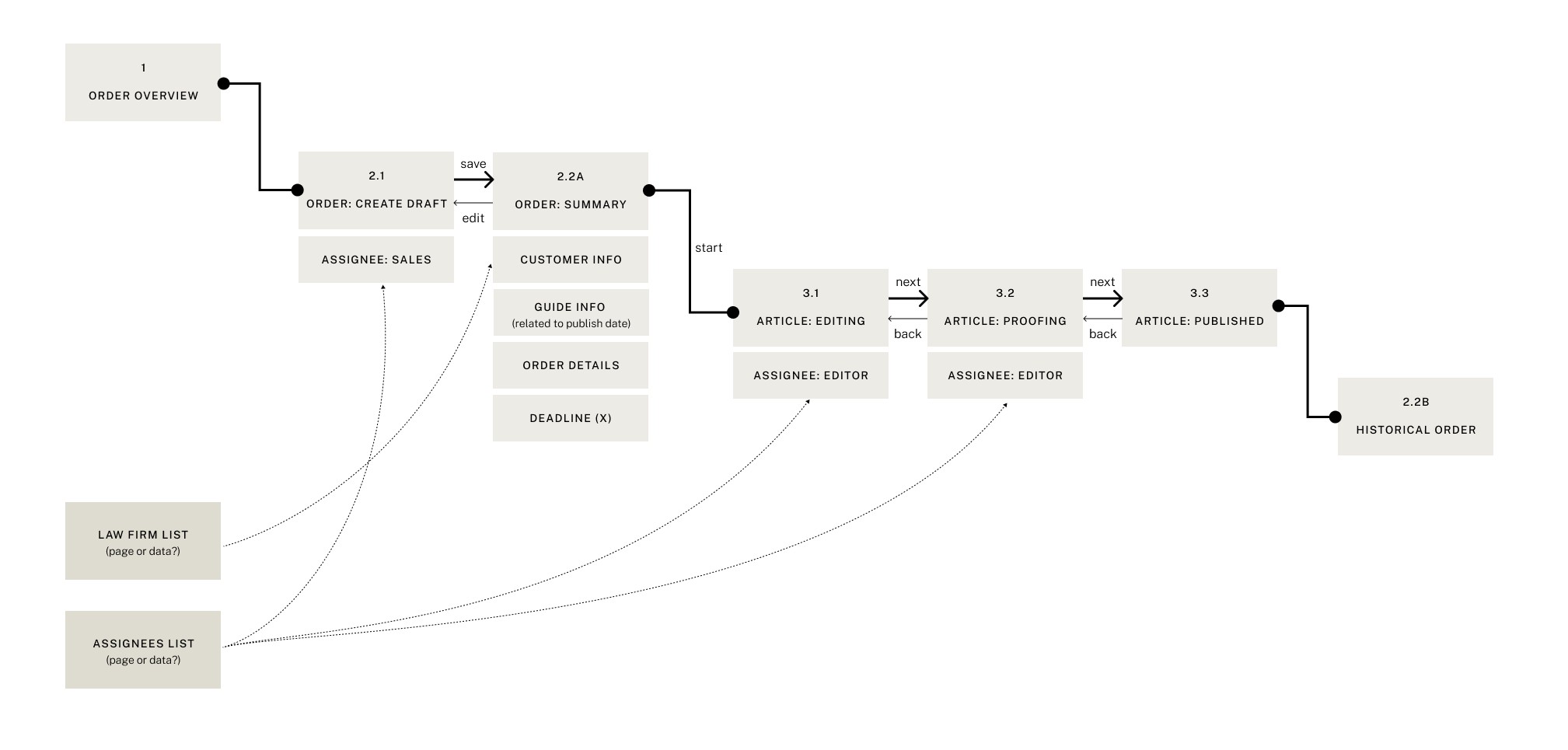
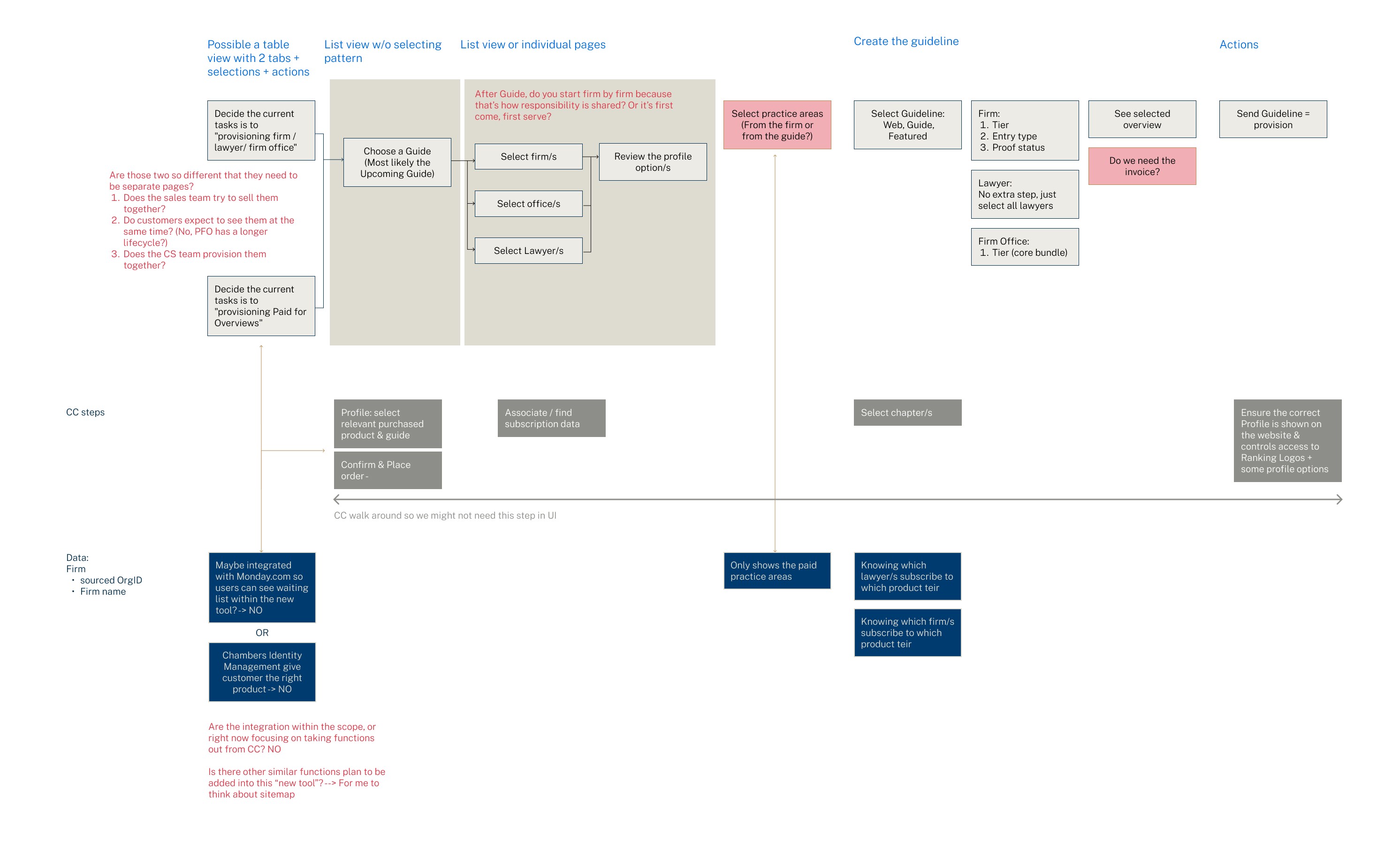
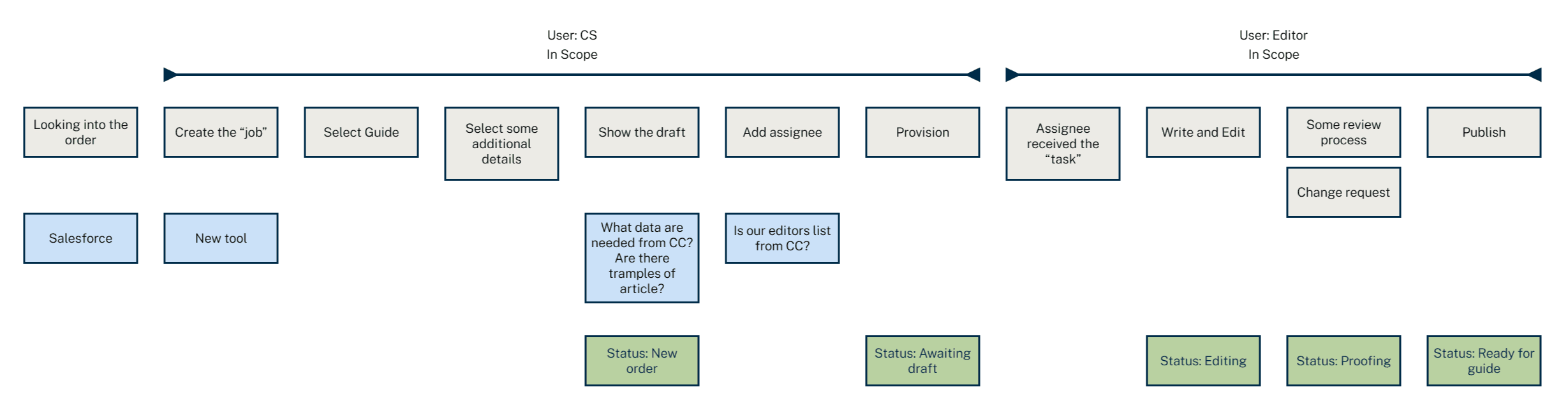
System, integration and user flow mapping
Example of legacy systems
Insight:
This was not a UI problem — it was a workflow and coordination problem that required structured interactions and clearer transitions between teams.
Insight:
This was not a UI problem — it was a workflow and coordination problem that required structured interactions and clearer transitions between teams.
Define & Design
Sitemap & integration mapping
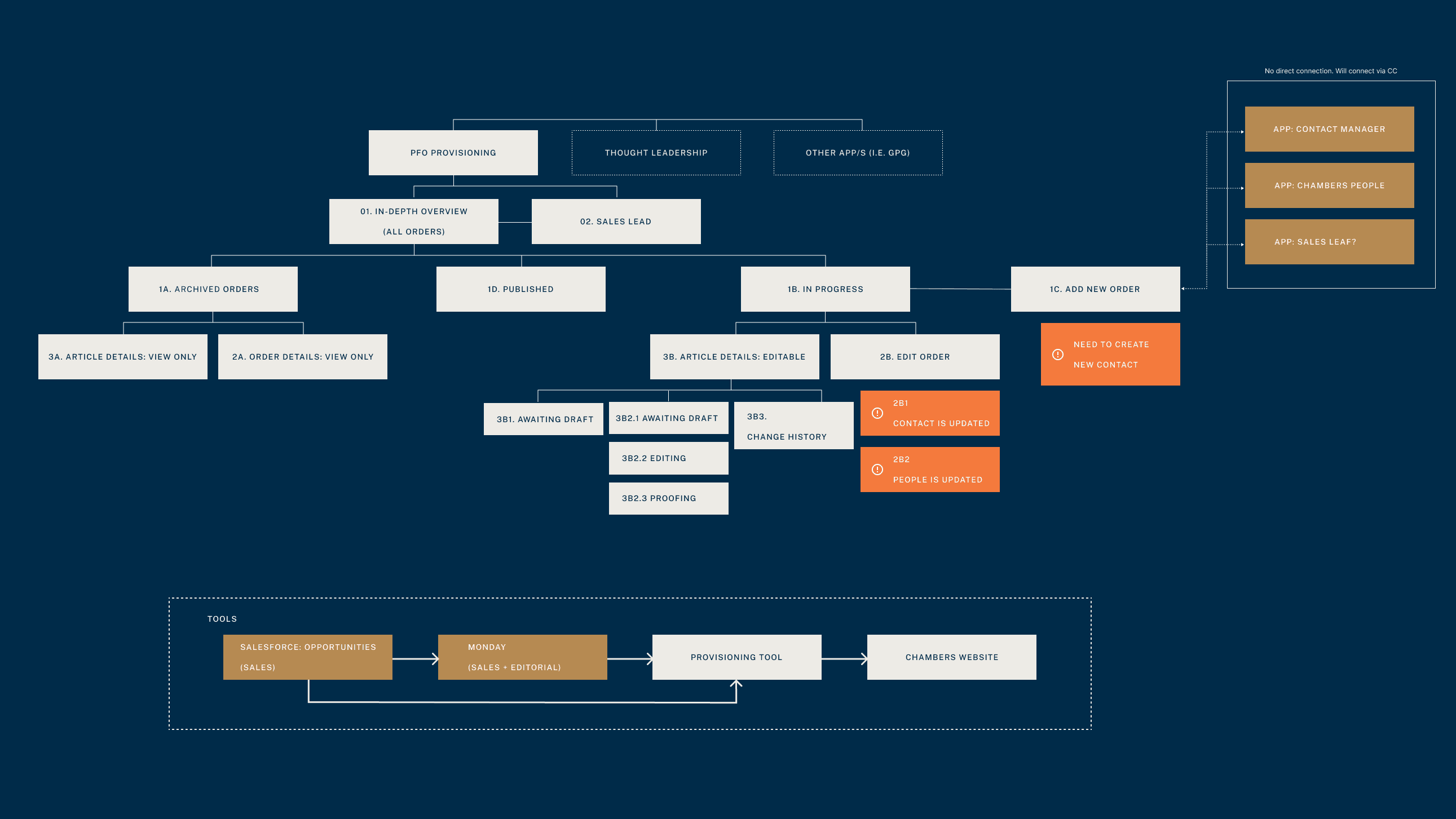
Design Approach & Key Decisions
Workflow mapping: Visualised how each team interacted with content from sale to publication
Interaction orchestration: Designed clear task states and transitions that reduced ambiguity
Role-based flow clarity: Identified unique needs of each role and built patterns to support them
Consistent design standards: Established shared UI components to reduce cognitive load
Design Approach & Key Decisions
Workflow mapping: Visualised how each team interacted with content from sale to publication
Interaction orchestration: Designed clear task states and transitions that reduced ambiguity
Role-based flow clarity: Identified unique needs of each role and built patterns to support them
Consistent design standards: Established shared UI components to reduce cognitive load
Workshop to collect users' feedback
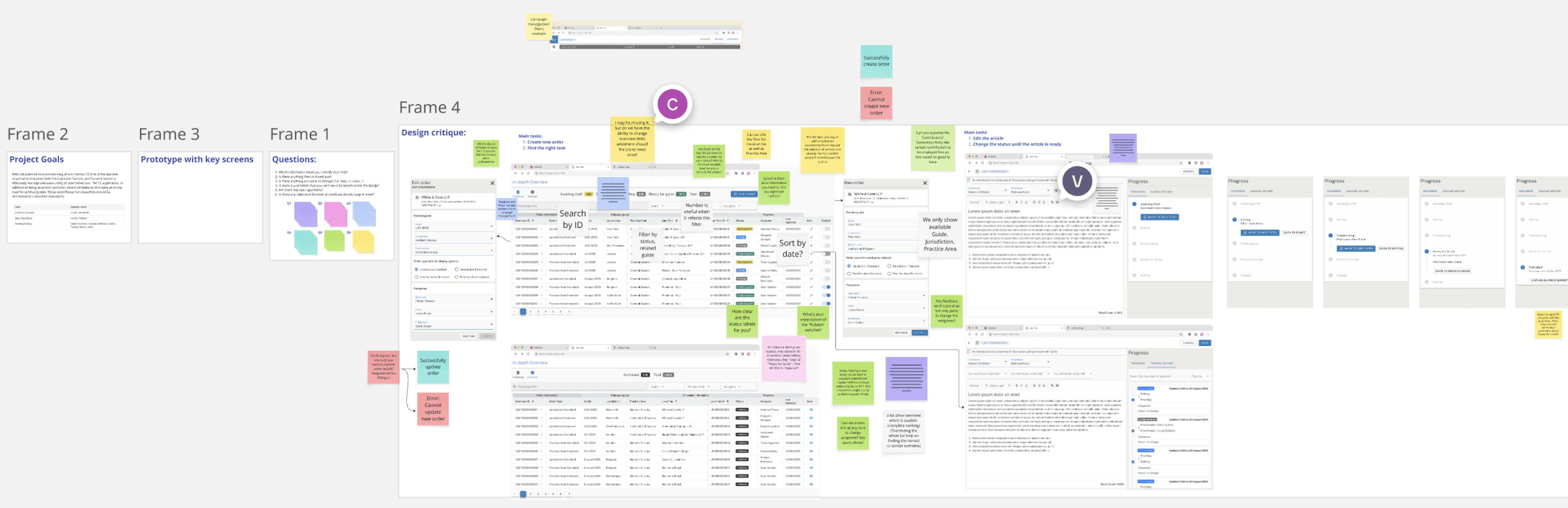
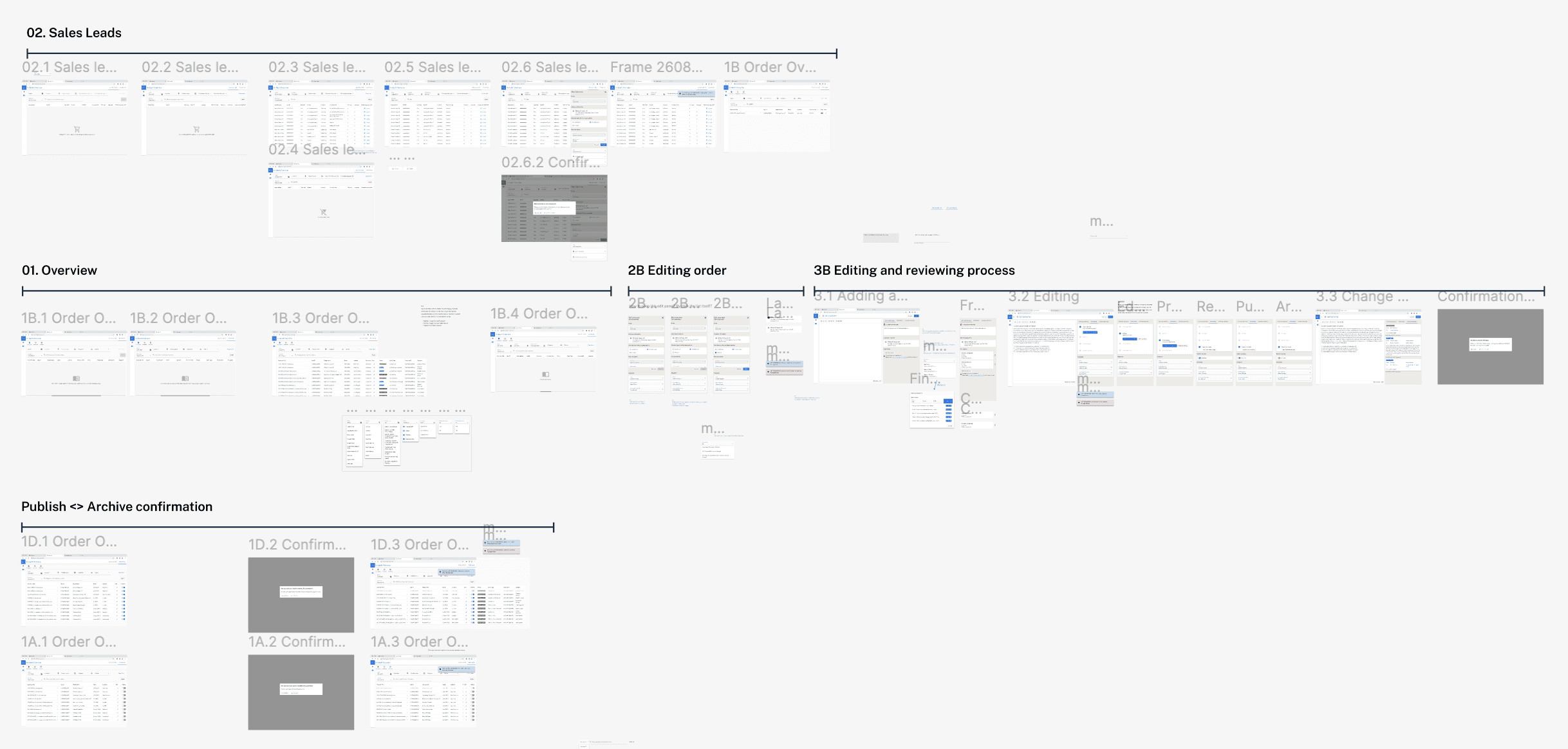
Example of design files: flow per scenario, step-by-step screens and interaction design
Design Outcomes
Unified multi-team publishing steps into a clear workflow
Simplified status tracking and handoffs for reduced mistakes and confusion
Consistent interaction patterns that improved predictability across roles
Interface designed to make role responsibilities and next actions visible
Design Outcomes
Unified multi-team publishing steps into a clear workflow
Simplified status tracking and handoffs for reduced mistakes and confusion
Consistent interaction patterns that improved predictability across roles
Interface designed to make role responsibilities and next actions visible
Deliver
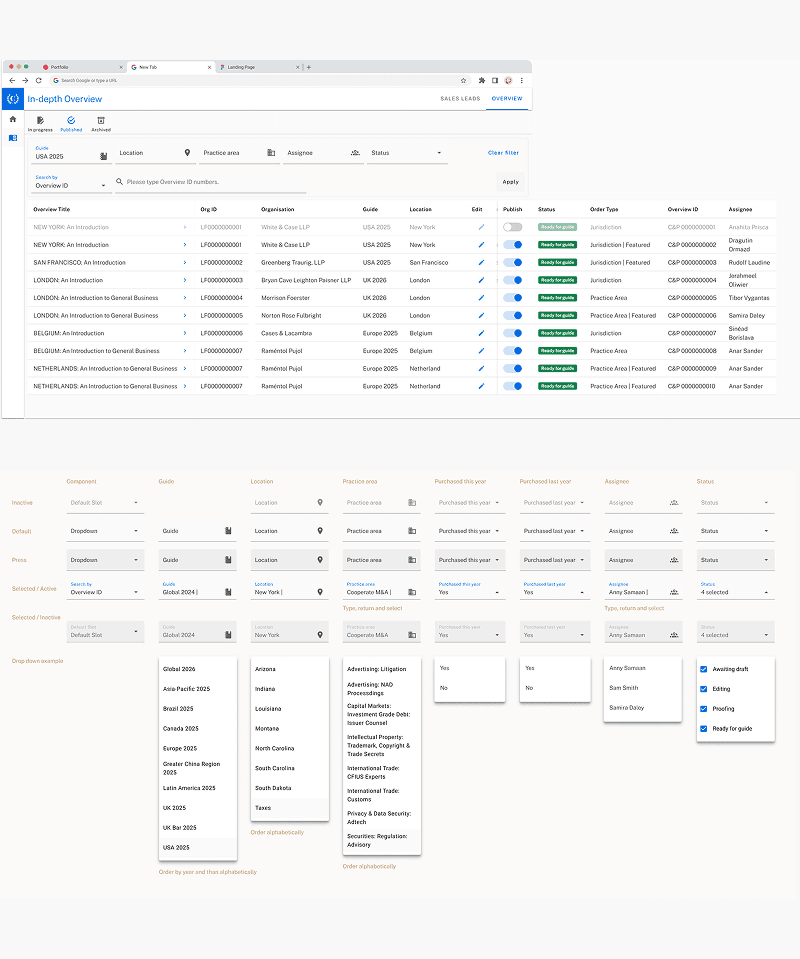
UI examples
Prototype
Impact & Results
Reduced coordination steps, enabling editorial teams to deliver paid content faster and with fewer errors.
Improved workflow visibility, increasing cross-team alignment and predictability
While formal KPIs were internal, this project laid the foundation for structured metrics like:
Reduced turnaround time for article delivery
Lower coordination overhead between teams
Higher content quality consistency
Impact & Results
Reduced coordination steps, enabling editorial teams to deliver paid content faster and with fewer errors.
Improved workflow visibility, increasing cross-team alignment and predictability
While formal KPIs were internal, this project laid the foundation for structured metrics like:
Reduced turnaround time for article delivery
Lower coordination overhead between teams
Higher content quality consistency