Vehicle Repair Cost Intelligence
A visual AI solution designed to improve accuracy, trust, and usability in car repair cost estimation for claims adjusters and insurance partners.
2021 | Product vision, research and end-to-end design
Overview
Insurance claims adjusters and partner organisations relied on disparate tools and informal workflows for estimating repair costs. This led to:
Variability and mistrust in AI estimates
Confusion around how AI recommendations were derived
Inefficiencies in handling high volumes of claims
The core challenge was not only UI inconsistency but a workflow and trust problem — users needed confidence that AI recommendations were understandable, actionable, and integrated into their operational flow.
This project addressed inconsistent workflows and trust gaps across regions by improving interaction clarity and aligning AI outputs with real user decision contexts.
Overview
Insurance claims adjusters and partner organisations relied on disparate tools and informal workflows for estimating repair costs. This led to:
Variability and mistrust in AI estimates
Confusion around how AI recommendations were derived
Inefficiencies in handling high volumes of claims
The core challenge was not only UI inconsistency but a workflow and trust problem — users needed confidence that AI recommendations were understandable, actionable, and integrated into their operational flow.
This project addressed inconsistent workflows and trust gaps across regions by improving interaction clarity and aligning AI outputs with real user decision contexts.
Discover
Approach & Key Decisions
Clarified mental models: Identified where users lost confidence in AI results and designed interfaces that surface clear rationale and visual feedback.
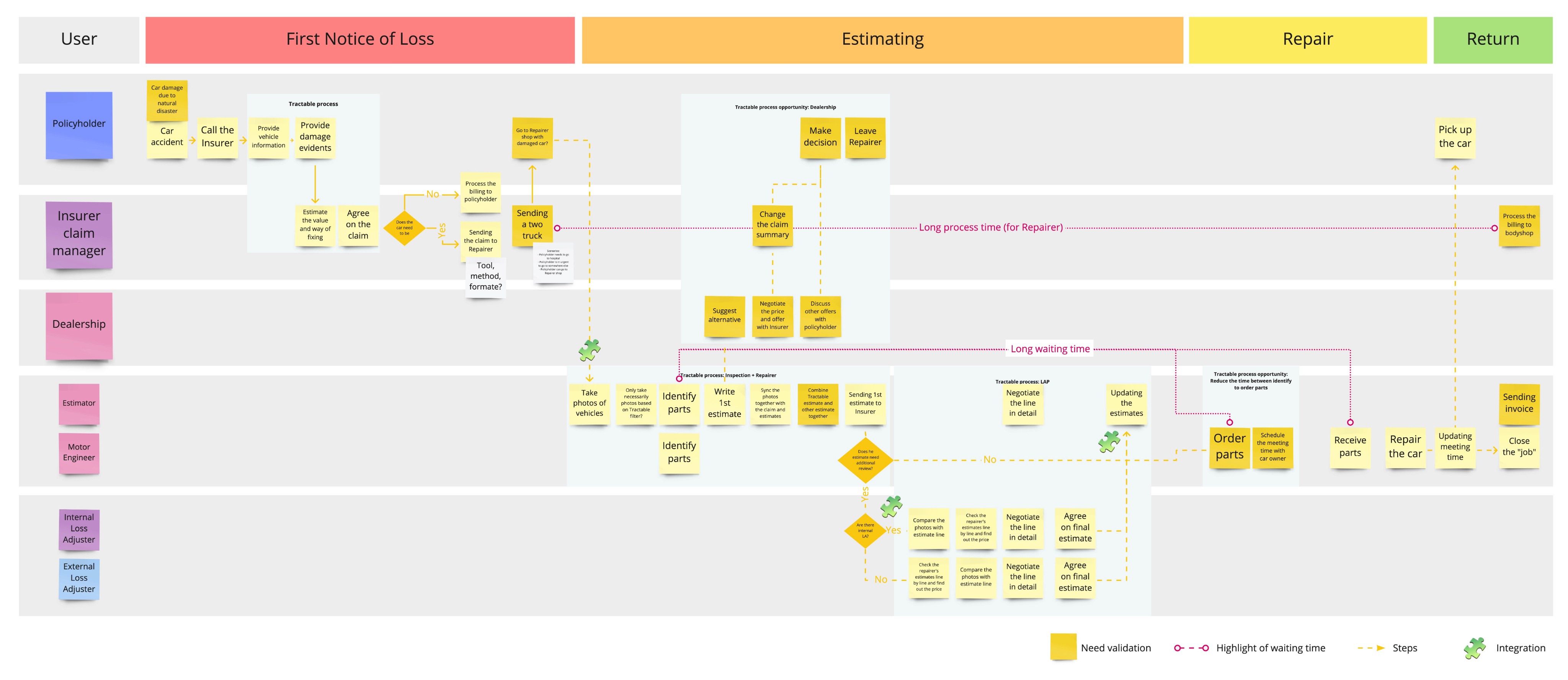
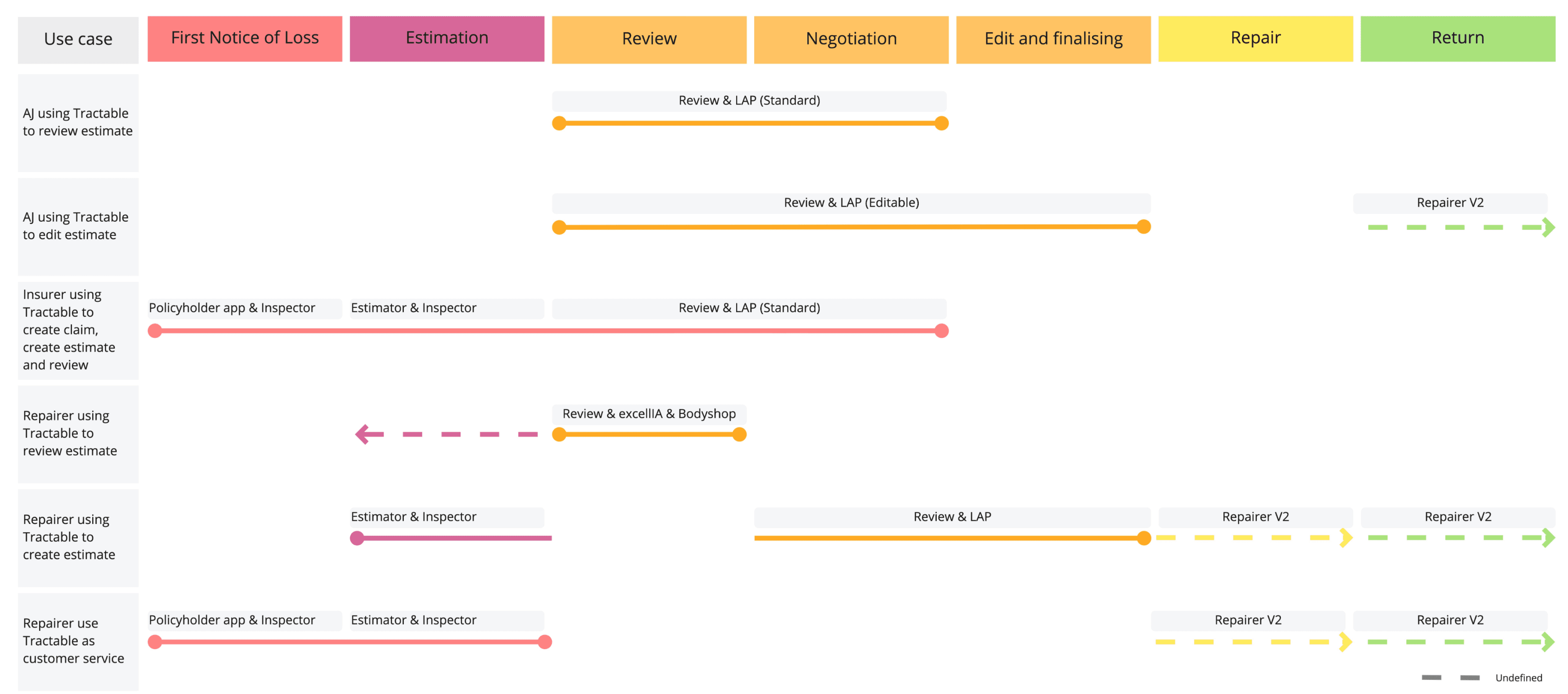
Integrated operational context: Mapped how adjusters worked across tasks and time, then aligned AI outputs with decision points in those journeys.
Balanced automation with control: Ensured users could see, understand, and override AI suggestions, supporting trust and adoption.
Standards & consistency: Built UI patterns that matched core workflows and reduced cognitive load across geographies and use cases.
Approach & Key Decisions
Clarified mental models: Identified where users lost confidence in AI results and designed interfaces that surface clear rationale and visual feedback.
Integrated operational context: Mapped how adjusters worked across tasks and time, then aligned AI outputs with decision points in those journeys.
Balanced automation with control: Ensured users could see, understand, and override AI suggestions, supporting trust and adoption.
Standards & consistency: Built UI patterns that matched core workflows and reduced cognitive load across geographies and use cases.
Define
Project prioritisa-tion
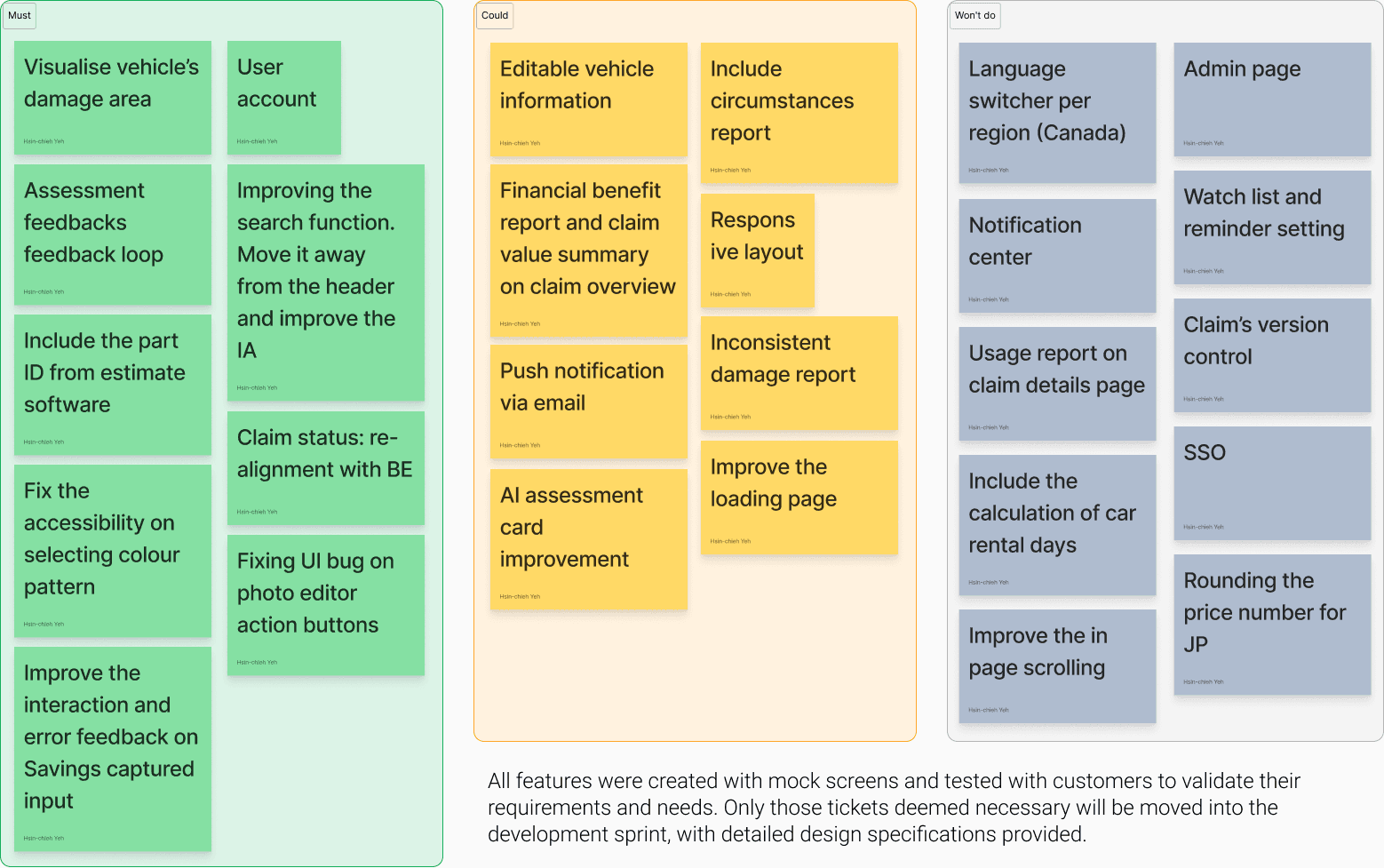
Project prioritisation is determined by the following factors
Customer urgency
Customer business/contract risk
Business dollar value
Usability pain scale (ranging from new to broken flow, usability issues, and visual improvements)
Technical effort estimation (in days)
Research effort estimation (based on T-shirt size)
UI design effort estimation (in days)
Project prioritisa-tion
Project prioritisation is determined by the following factors
Customer urgency
Customer business/contract risk
Business dollar value
Usability pain scale (ranging from new to broken flow, usability issues, and visual improvements)
Technical effort estimation (in days)
Research effort estimation (based on T-shirt size)
UI design effort estimation (in days)
Design
Outcomes
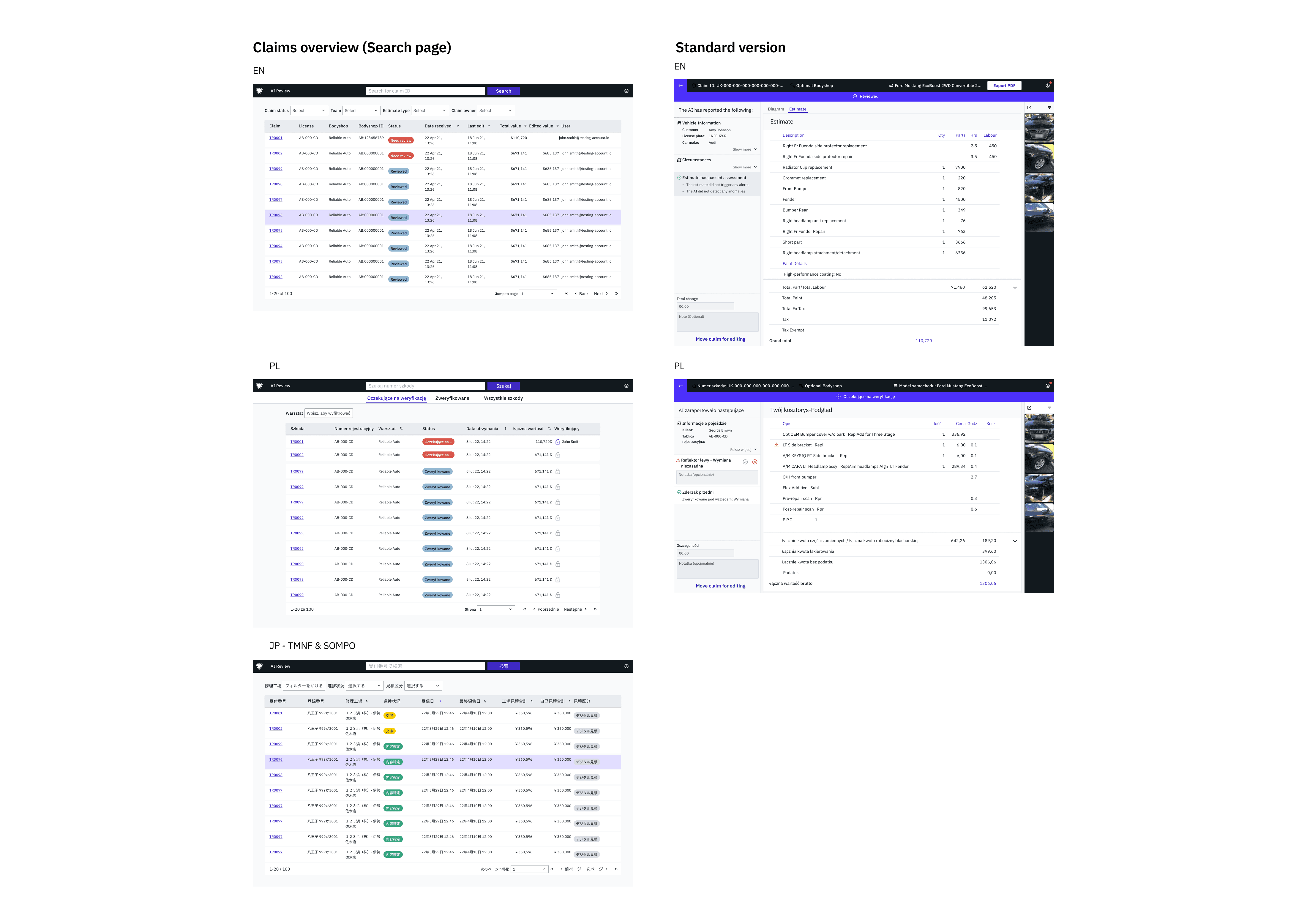
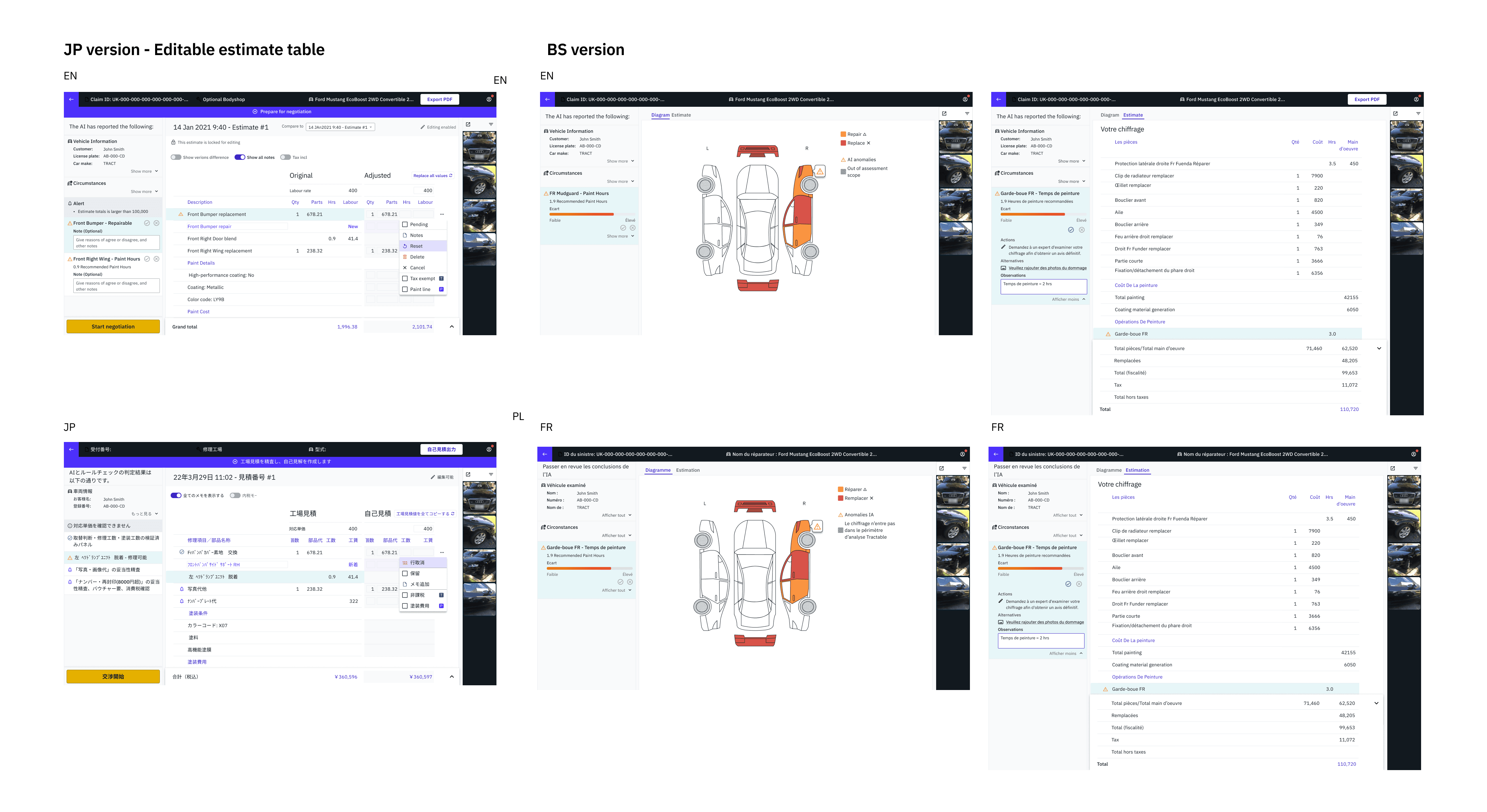
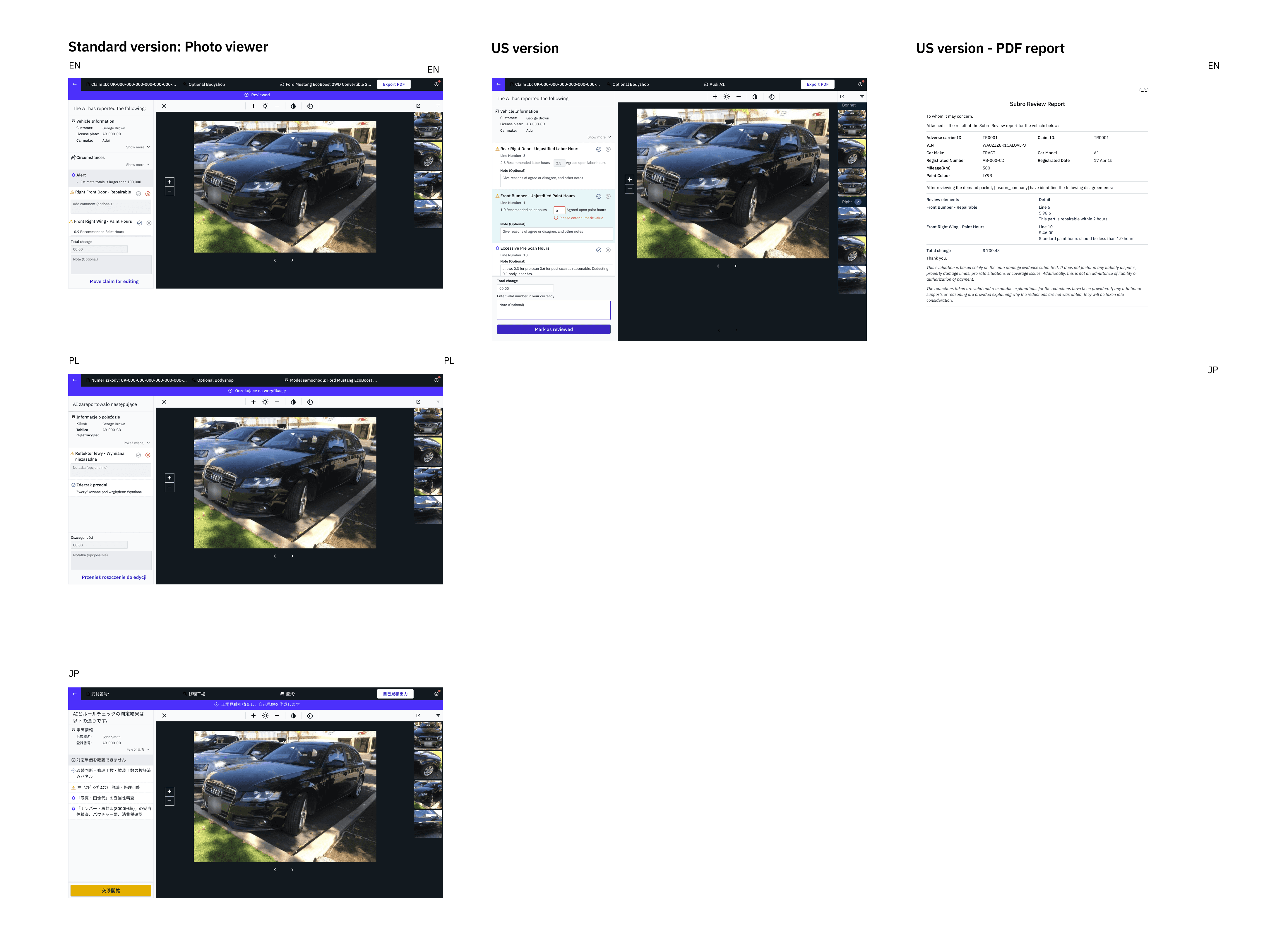
Standardised interaction patterns for AI estimate review and adjustments
Visual feedback mechanisms that explained how AI reasoning connected to outcomes
UI components that highlighted confidence and actionable next steps
Interfaces that reduced ambiguity and increased operational clarity
Outcomes
Standardised interaction patterns for AI estimate review and adjustments
Visual feedback mechanisms that explained how AI reasoning connected to outcomes
UI components that highlighted confidence and actionable next steps
Interfaces that reduced ambiguity and increased operational clarity
Deliver
Moving the Metrics
Customer satisfaction
The metrics used for design depend on the team's technology, data tracking, and feedback loops. The key metrics for AI Review were efficiency and AI agree rate.
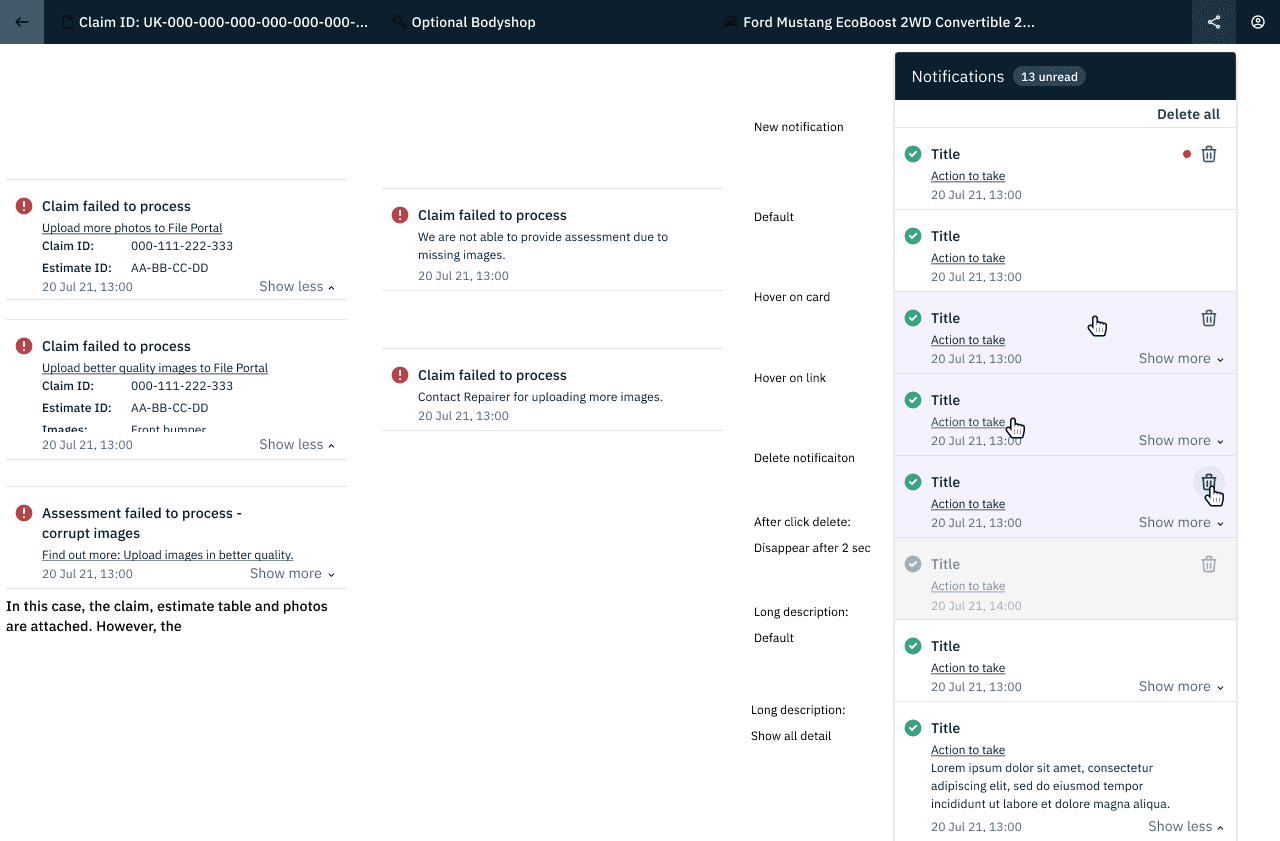
Low efficiency was due to the AI function's immaturity and design problems. Users dropped the service due to a lack of notification or error feedback.
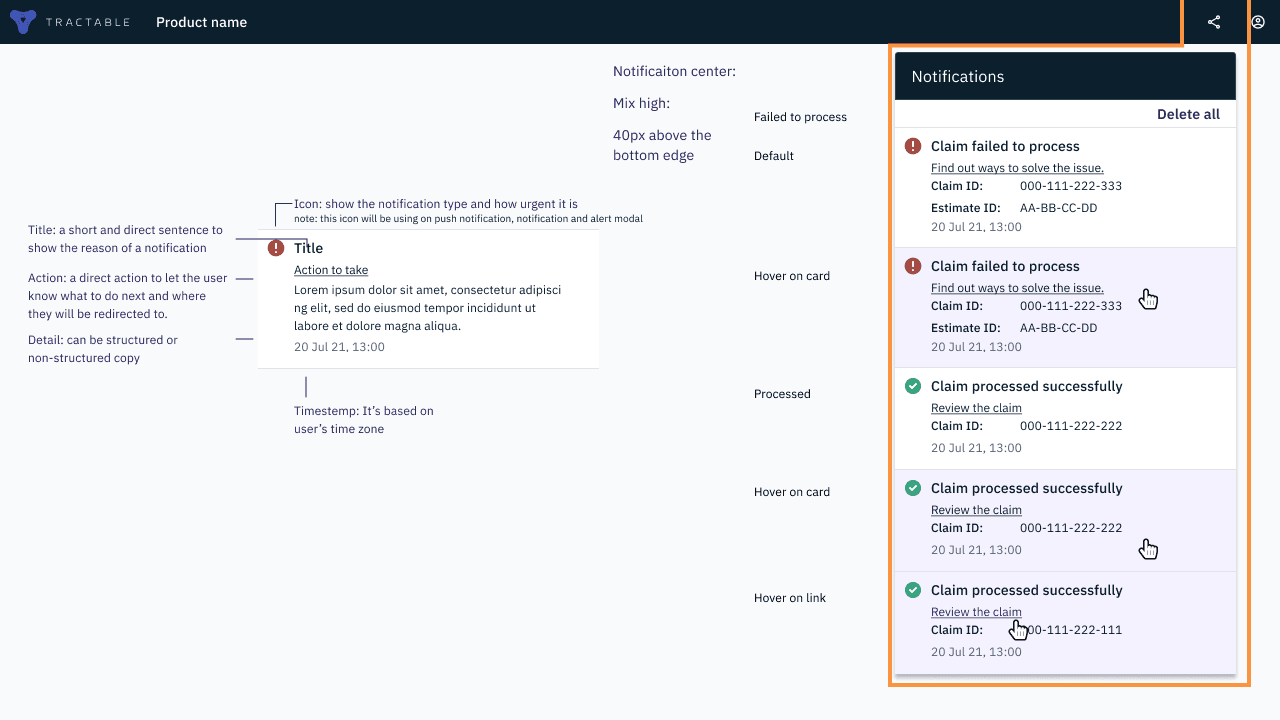
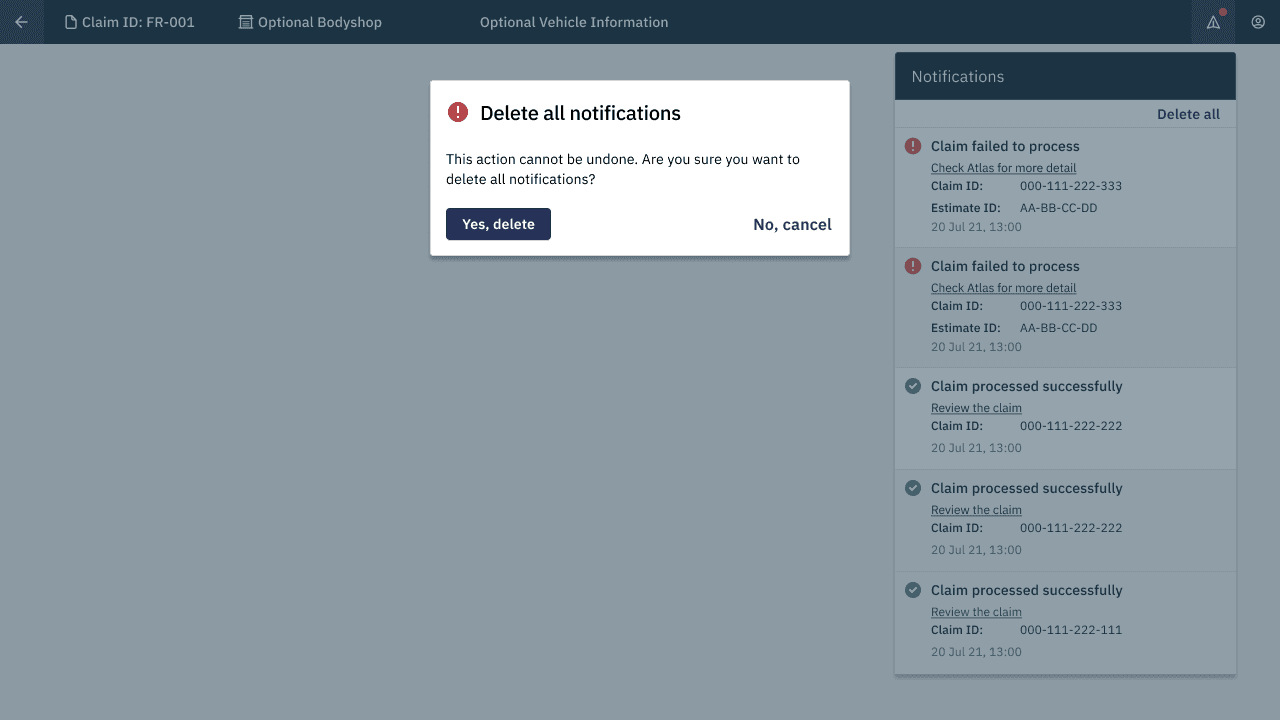
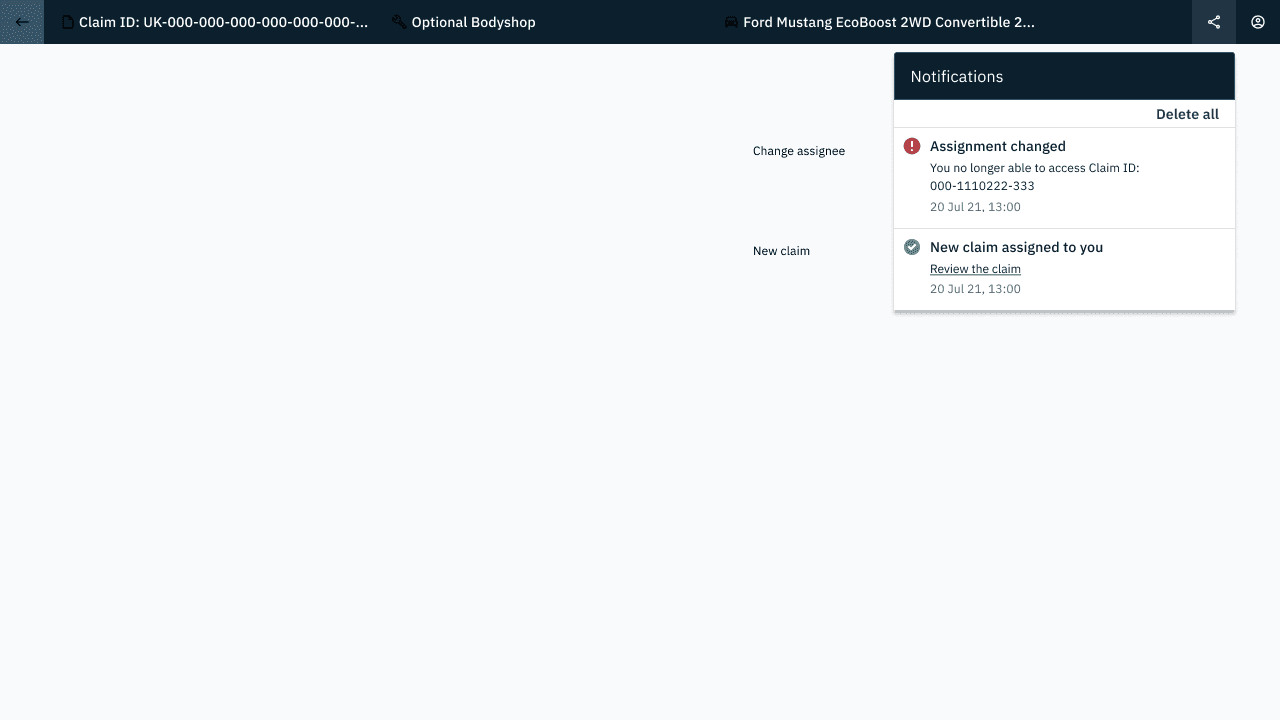
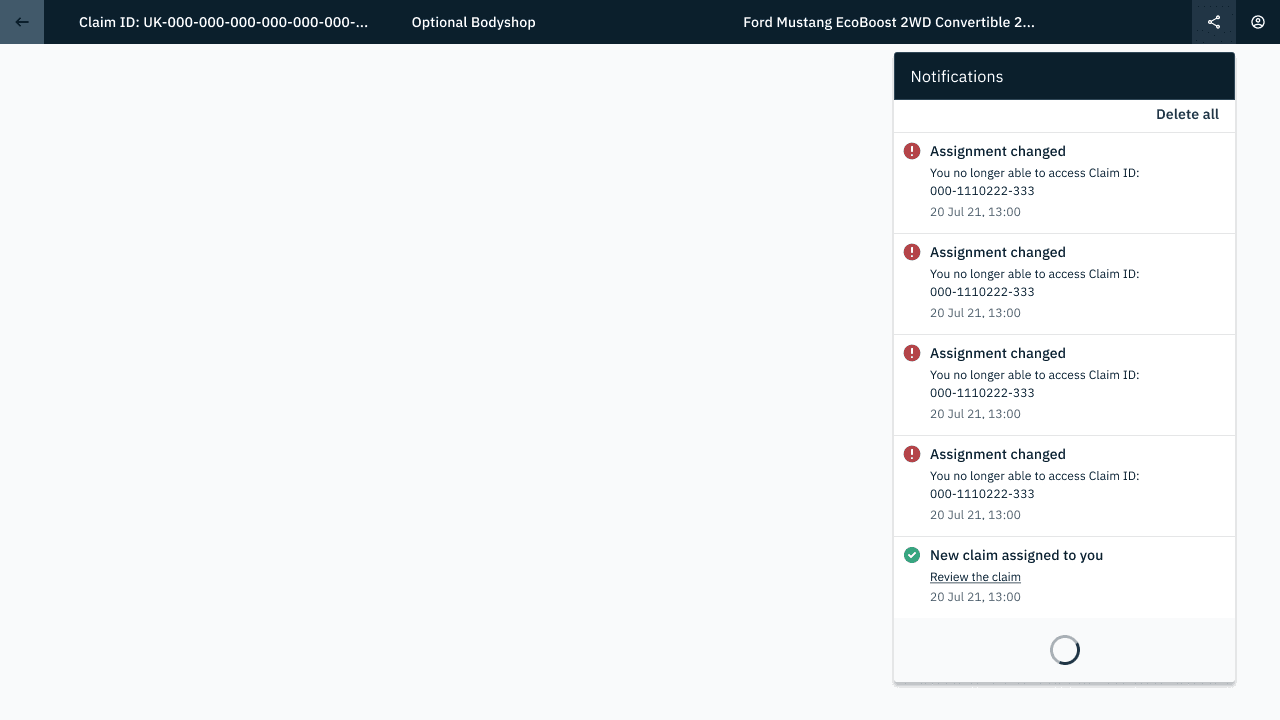
The team set up automatic feedback loops and designed a seamless notification centre. The AI agree rate for North American customers increased from 50% to 75% within two quarters.
However, the AI agree rate should not be a KPI for sales teams as they push for customer agreement regardless of accuracy.
Moving the Metrics
Customer satisfaction
The metrics used for design depend on the team's technology, data tracking, and feedback loops. The key metrics for AI Review were efficiency and AI agree rate.
Low efficiency was due to the AI function's immaturity and design problems. Users dropped the service due to a lack of notification or error feedback.
The team set up automatic feedback loops and designed a seamless notification centre. The AI agree rate for North American customers increased from 50% to 75% within two quarters.
However, the AI agree rate should not be a KPI for sales teams as they push for customer agreement regardless of accuracy.
Notification
Notification

UI and IA
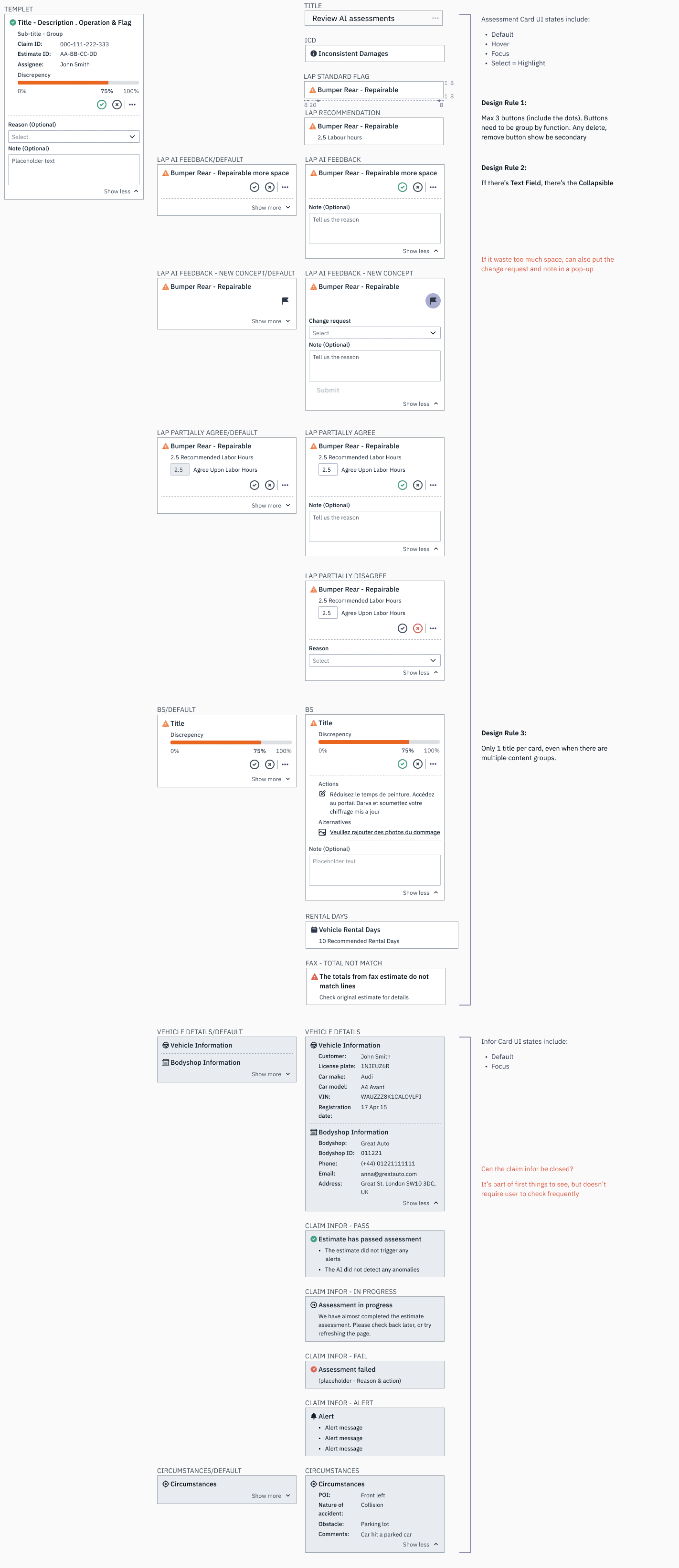
Claim detail card
The claim detail page contains a vast amount of text and information, which makes it difficult for users to quickly find the information they need. There is an urgent need to reorganise the content and arrange it in a user-friendly layout to improve the user experience.
UI and IA
Claim detail card
The claim detail page contains a vast amount of text and information, which makes it difficult for users to quickly find the information they need. There is an urgent need to reorganise the content and arrange it in a user-friendly layout to improve the user experience.